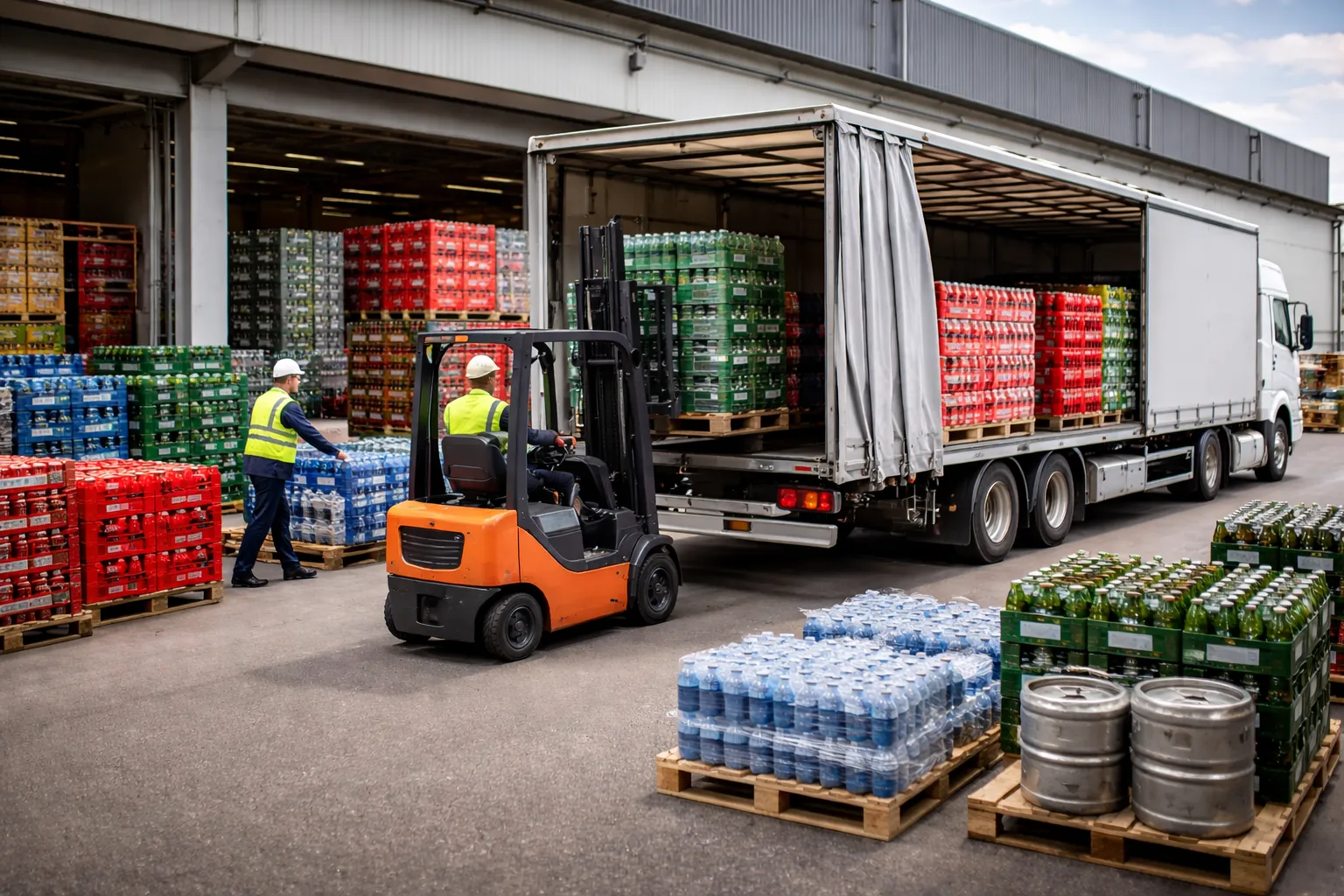
Plan full goods and empties together
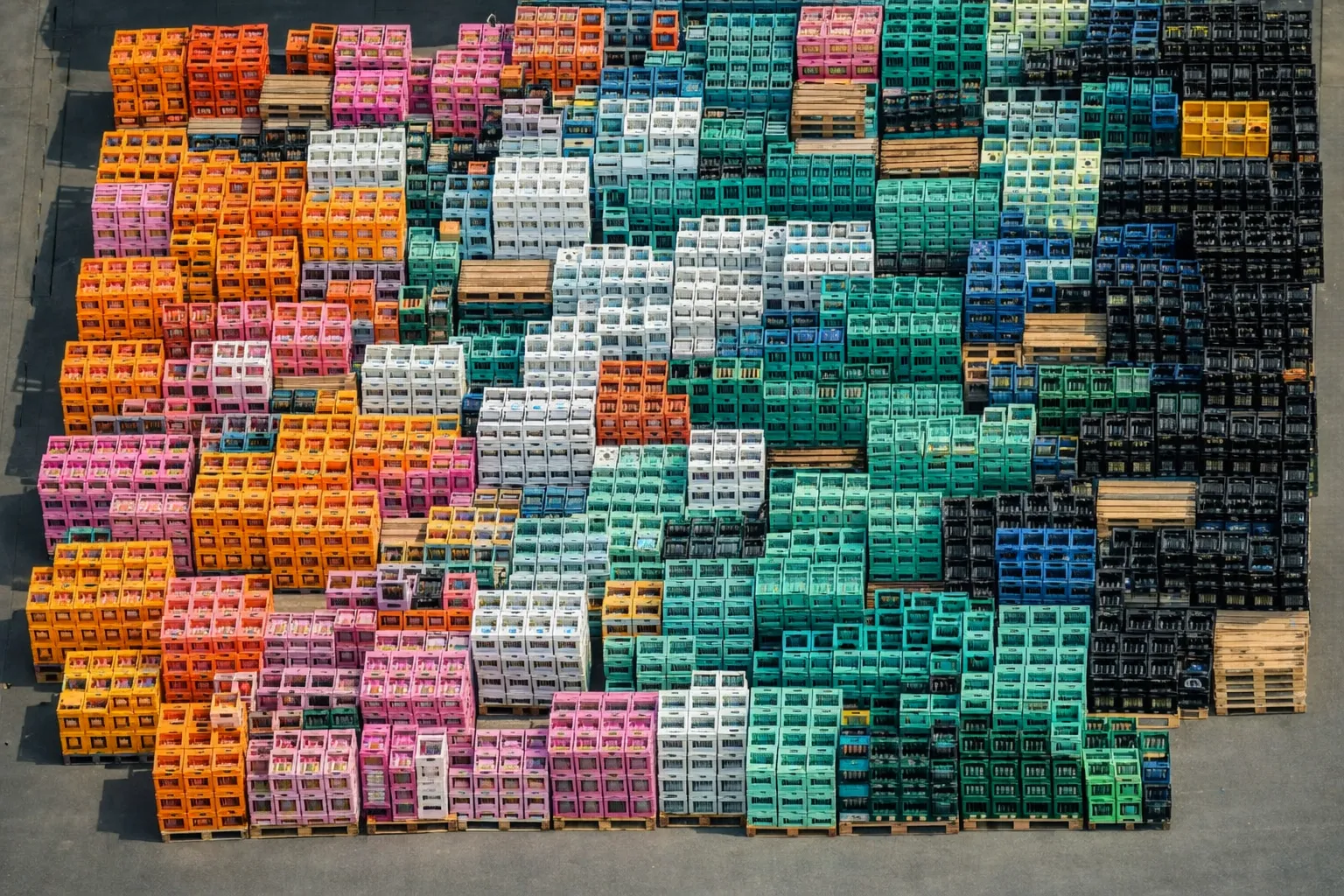
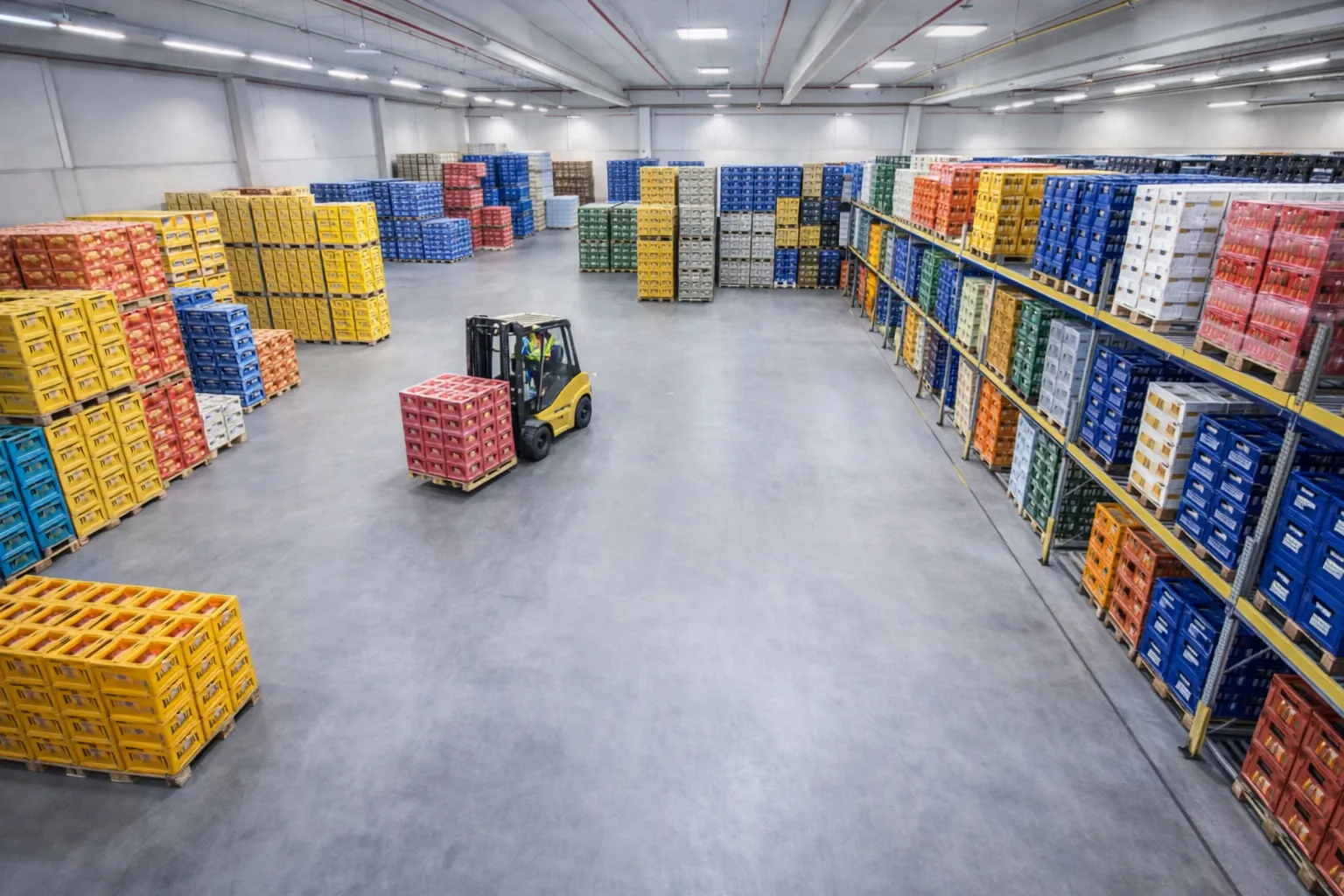
In beverage logistics, deliveries and returns are inseparable. Empty bottles, crates, pallets, and kegs directly influence capacity, sequence, and return processes.
Efficient tour planning for full goods, empties, and complex regional delivery structures.
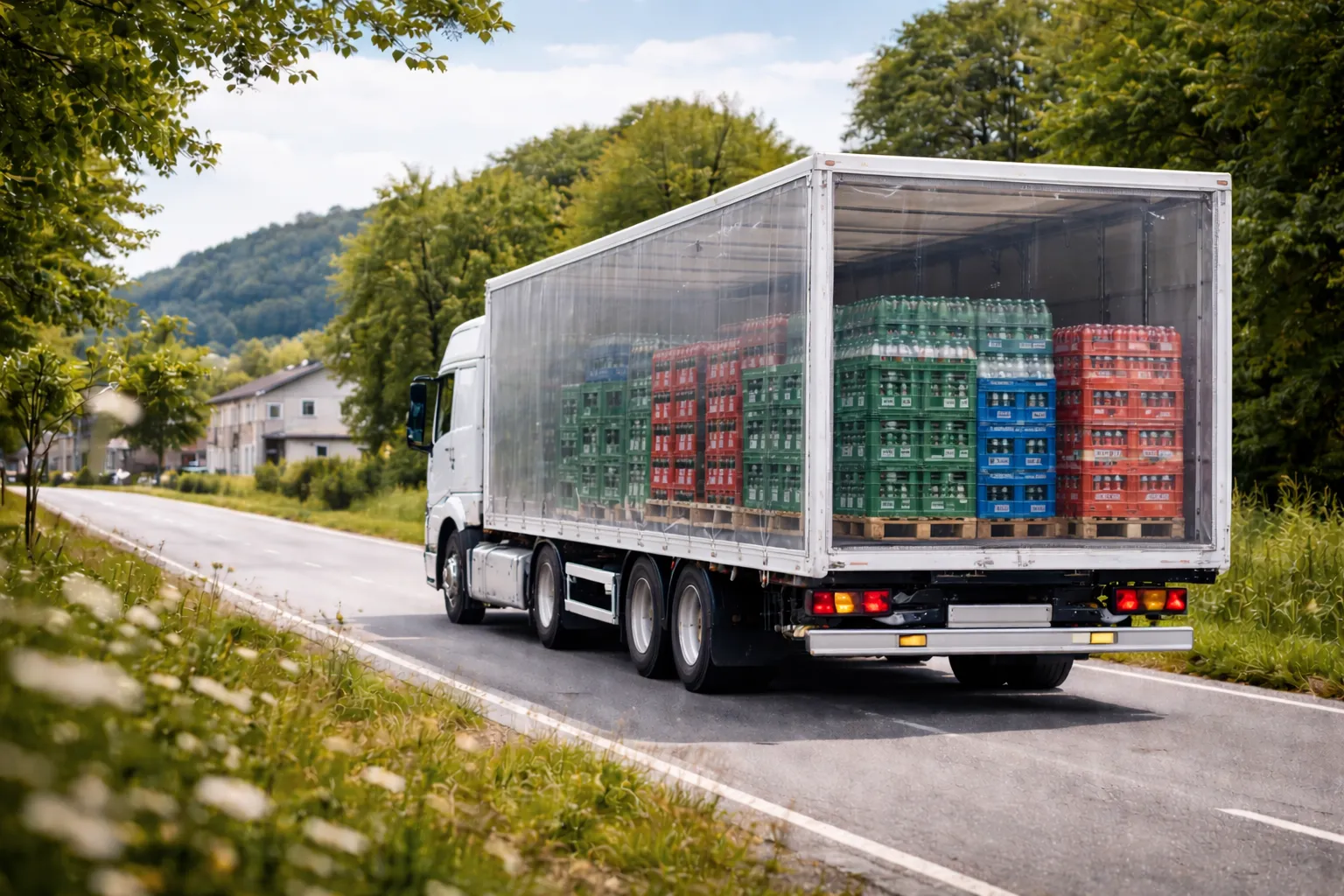
Beverage logistics places special demands on dispatch and tour planning. Full goods, empties, load carriers, high weights, recurring deliveries, and seasonal peaks all need to be modeled together.
Why this industry works differently
Full-goods and empties flows must be planned together
Weight, capacity, and time windows all matter at once
Seasonal peaks and different customer types increase volatility
Beverage logistics is far more than moving freight from A to B. Regional delivery structures, high weights, different customer types, and the joint planning of full-goods and empties flows all meet in the same dispatch process.
Full goods and empties need to be dispatched together
High weights and capacity restrictions shape every tour
Recurring deliveries with different customer types
Tight time windows and regional delivery structures
Seasonal peaks driven by weather, holidays, events, and promotions
Strong coordination needs between fleet, warehouse, and dispatch
In beverage logistics, deliveries and returns are inseparable. Empty bottles, crates, pallets, and kegs directly influence capacity, sequence, and return processes.
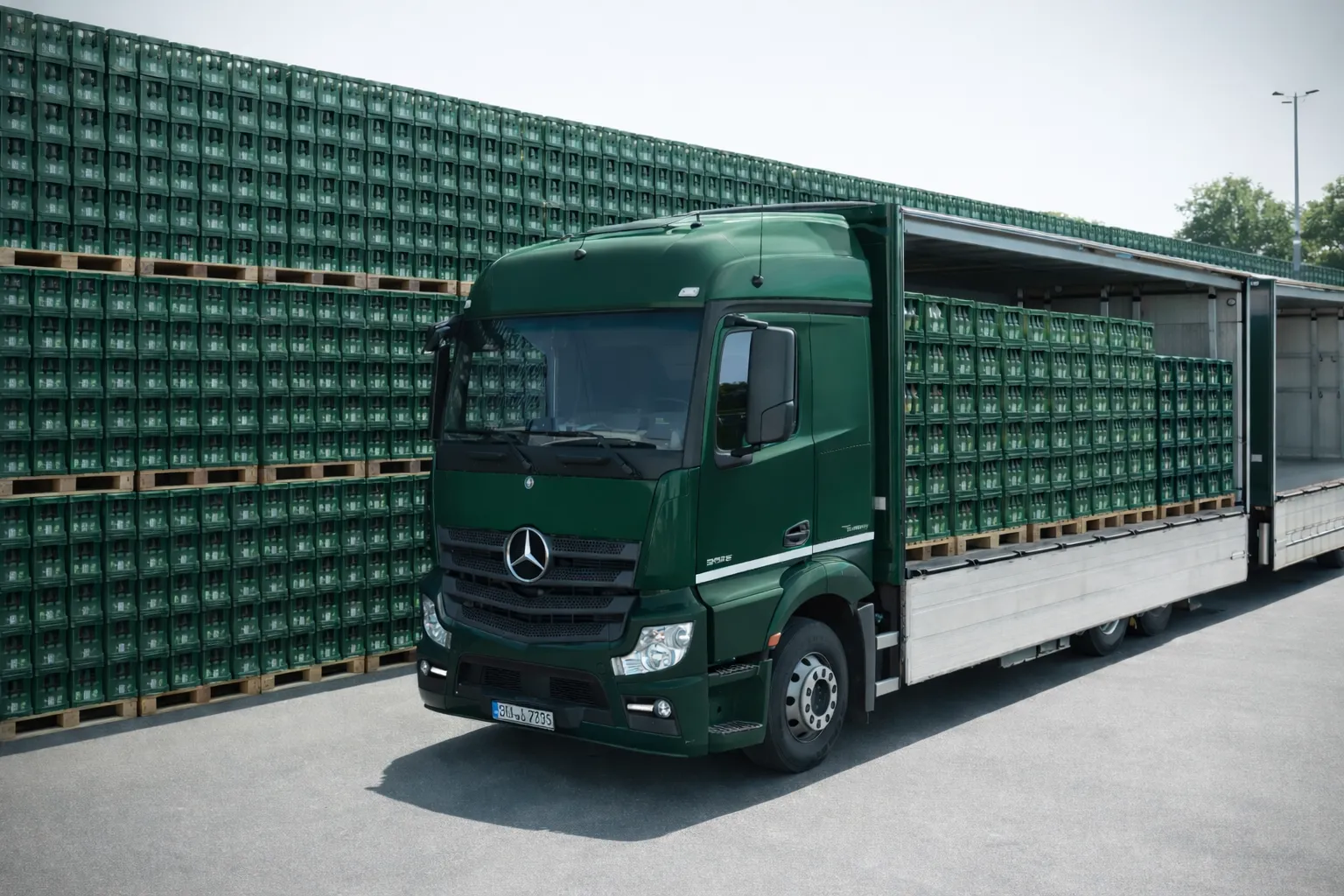
Few industries are as weight-driven as beverage transport. Not every tour runs out of space first. Very often gross vehicle weight becomes the decisive restriction.
Hospitality, beverage retail, wholesale, and large consumers all bring different ordering patterns, delivery requirements, and time windows that need targeted consideration.
Heat waves, holidays, events, and promotional business create strong demand swings. Dispatch teams need planning support that can react quickly and still stay economically sound.
Our algorithms account for stops, time windows, vehicle capacities, weights, stop sequences, and regional delivery structures to produce economically and operationally viable tours.
Return flows can be integrated directly into planning so deliveries and returns are optimized together instead of being dispatched separately.
Planning can be steered toward relevant targets such as fewer vehicles, fewer kilometers, higher utilization, or better day-to-day stability.
Short-notice orders, changed quantities, and disruptions can be reassessed quickly and integrated into ongoing planning.
Modern interfaces let the solution integrate into existing TMS, ERP, or dispatch workflows without replacing functioning processes end to end.
Beverage wholesale distribution
Breweries
Mineral water producers
Beverage producers with regional distribution
Logistics providers focused on beverage transport
Companies serving gastronomy, retail, or large-consumer customers
Typical use cases
Less manual dispatch effort
Higher utilization of vehicles and tours
Better handling of empties and return flows
Fewer additional runs and avoidable kilometers
More transparency across complex transport structures
More robust planning during seasonal peaks and short-notice change
Practical instead of generic
Beverage logistics does not need standard tours. It needs planning that combines full goods, empties, weights, time windows, and seasonal volatility realistically.
Whether you are dealing with regional delivery structures, high weights, empties processes, or seasonal peaks, beverage logistics needs planning that understands operational complexity in detail.