
Tight decision windows
At the moment of planning, dispatch already needs to assess whether a transport can be executed reliably under all relevant side constraints. Many decisions arise under considerable time pressure.

In full truckload, speed, reliability, and the clean integration of operational restrictions matter every day. Our software helps companies plan FTL more efficiently, use resources better, and make dispatch decisions faster and on a stronger basis.
Make FTL dispatch more robust. Improve onward optimization. Validate feasibility systematically.
Why FTL operates differently
The focus is not bundling, but economical and compliant dispatch of individual transports.
Time windows, equipment, driver rules, and carrier choice must converge in one decision.
Onward optimization strongly influences whether vehicles in the field stay productive.
In most cases, one vehicle is assigned to one order or one clearly defined load structure. These transports are often direct, time-critical, and tightly tied to specific pickup and delivery appointments.
At the same time, operational reality is demanding: not every vehicle fits every load, not every driver can be deployed at any time, and not every theoretically possible route is actually practical under legal and operational conditions. Robust dispatch therefore has to bring feasibility, resource use, profitability, and reaction speed together.
Direct relations between pickup and delivery dominate instead of bundling many small shipments
Time windows, vehicle availability, equipment, and driver restrictions interact immediately
Every order has to be feasible under real operational and legal conditions
Own fleet and outsourced carriers need to be evaluated on a structured basis
Short-notice changes directly affect cost, service level, and resource deployment
Onward optimization determines whether vehicles in the field stay productive
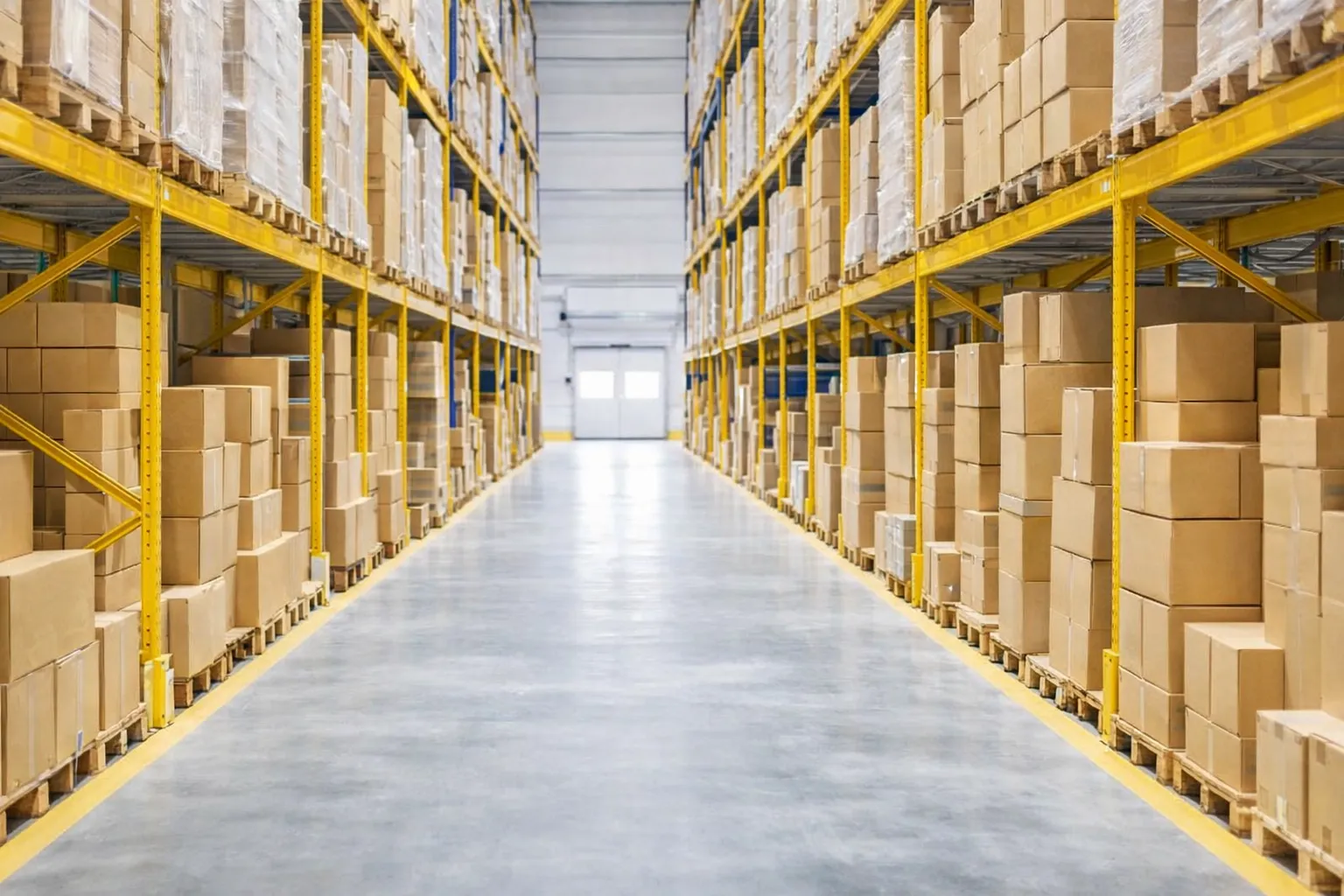
Especially relevant are tight time windows at loading and unloading sites, different vehicle and equipment requirements, legal driver and duty rules, and the question of whether a job should be covered by own fleet or a suitable carrier.
At the moment of planning, dispatch already needs to assess whether a transport can be executed reliably under all relevant side constraints. Many decisions arise under considerable time pressure.
Pickup and delivery appointments are often tightly defined. Even small shifts can change the feasibility or profitability of a transport.
Not every vehicle fits every load. Body types, capacities, temperature requirements, ADR rules, or customer-specific constraints need to be modeled cleanly.
Driving and rest-time rules, qualifications, availability, and individual duty limits directly shape which transport can actually be executed.
With every full truckload, the question arises whether the order should be handled internally or assigned to a suitable carrier. That choice has immediate cost and service impact.
Delays, waiting times, vehicle failures, or changed customer requirements make robust alternatives necessary during live operations.
One of the decisive success factors in full truckload is onward optimization. Vehicles are already moving in the field, complete ongoing transports, and then do not sit at a central depot, but at changing locations in the network. That is exactly when the question arises which follow-on transport fits best in space and time.
Our software supports this form of dynamic onward planning directly. It identifies suitable next jobs for vehicles in the field, evaluates alternatives based on time, place, availability, and restrictions, and helps reduce empty miles while improving utilization.
After completing an ongoing transport, vehicles rarely return to the depot. They are at changing locations in the network. That is exactly where the search for the best follow-on job begins.
Geographic proximity alone is not enough. A follow-on transport only works if the vehicle can reach the next loading point in time and still comply with all time windows.
Even for short-notice follow-on jobs, equipment, driver rules, availability, and additional restrictions all need to be part of the evaluation.
Strong onward optimization reduces non-productive movements, improves utilization, and turns isolated dispatch decisions into a continuously optimized transport chain.
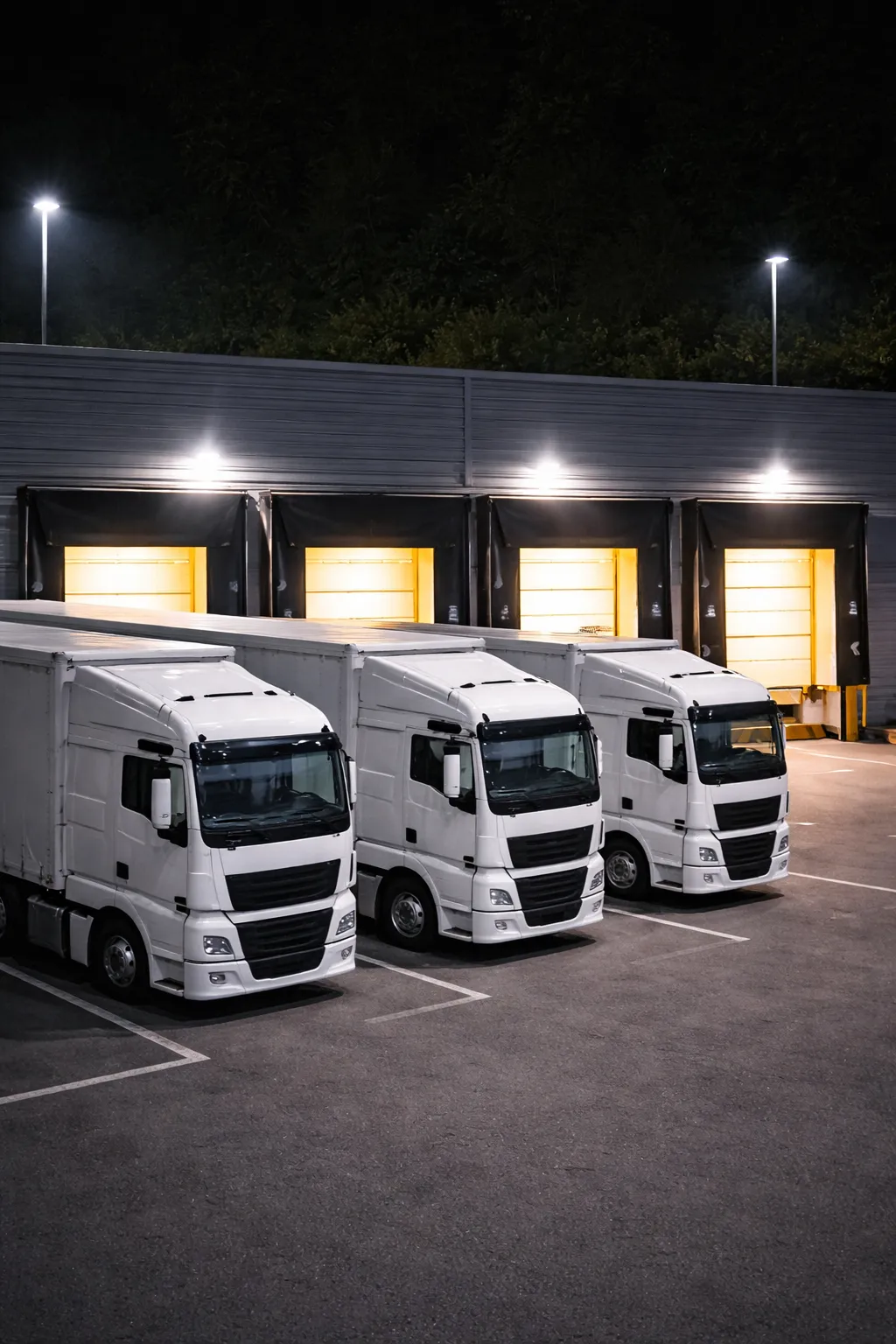
Efficient FTL planning starts with precise feasibility validation. It is not enough to look only at distance and route length. What matters is whether a transport can be executed cleanly in the actual operational situation.
Especially in full truckload, the choice of the right service provider also plays a central role. Many companies work with a combination of own fleet and outsourced carriers. A modern planning solution therefore needs not only to build tours, but also to support the structured selection and prioritization of suitable carriers.
Every order needs to be evaluated realistically based on pickup and delivery windows, driving times, loading and unloading times, and operational restrictions.
Vehicle types, body configurations, capacities, temperature requirements, ADR rules, and customer-specific requirements all need to be matched cleanly against available resources.
Driver availability, qualifications, and working-time limits are an integral part of robust FTL dispatch.
Beyond route formation, a modern solution also needs to support the structured selection and prioritization of suitable service providers.
Full truckload becomes more economical when the current job is not viewed in isolation, but together with sensible onward options and the vehicle position in the network.
Good systems help dispatchers find viable alternatives quickly even under delays, waiting times, vehicle failures, or changed customer requests.
How our software supports full-truckload optimization
Our software models the operational requirements of FTL dispatch systematically and connects optimization with operational feasibility. Orders are not treated in isolation, but together with available vehicles, drivers, equipment, time windows, and onward options.
In addition, the software creates transparency across cost, utilization, empty miles, and service level. That means operational decisions can be made not only faster, but also on a stronger economic basis.
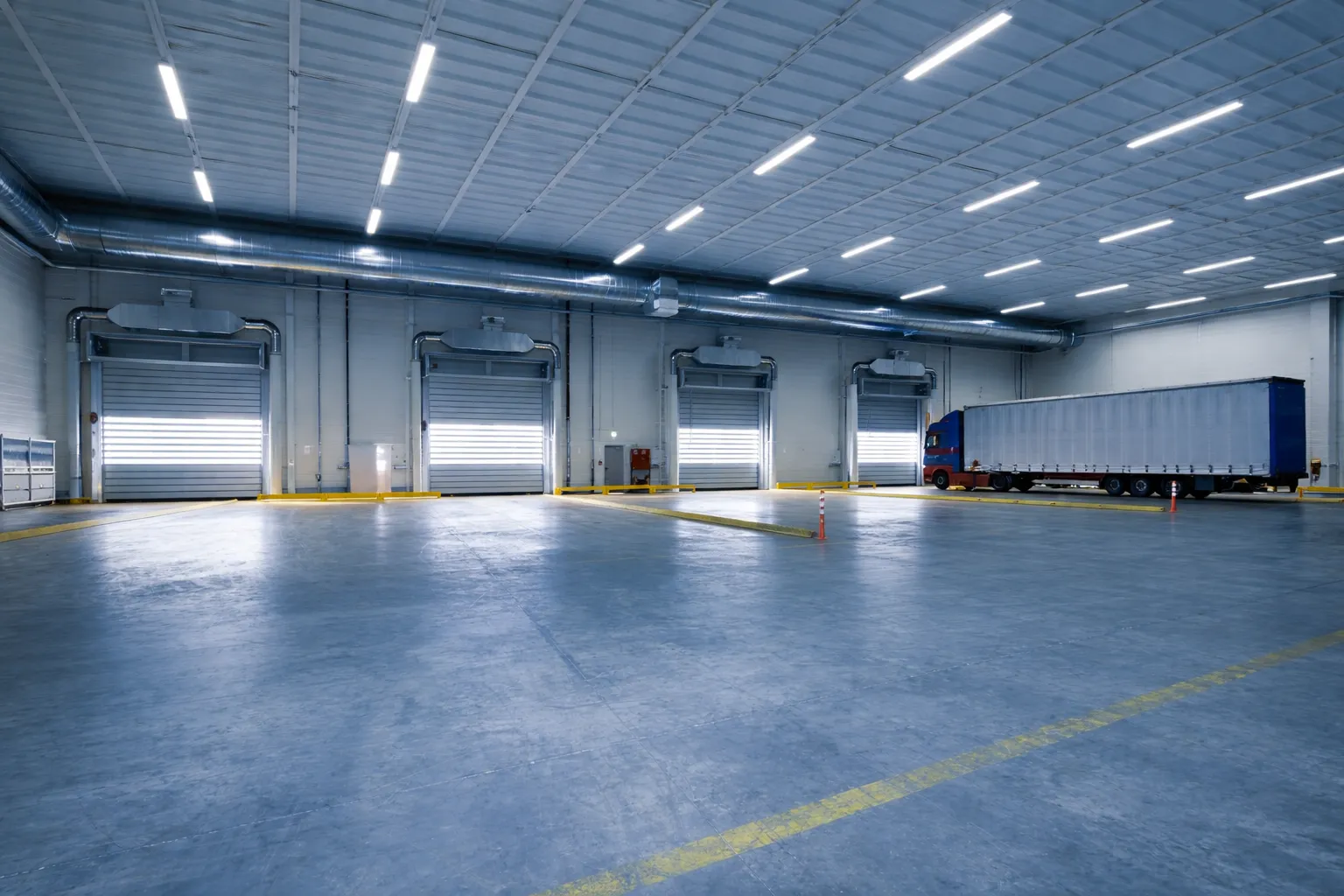
Orders are not evaluated in isolation, but together with available vehicles, drivers, equipment, time windows, and onward options.
Our software helps match loads systematically to suitable resources and rules out unsuitable combinations early.
Suitable follow-on jobs can be identified and prioritized automatically instead of re-dispatching vehicles manually after every completed trip.
The solution supports structured decisions between own fleet and outsourced carriers while considering availability, fit, and profitability.
Dispatch teams gain robust transparency across empty miles, resource utilization, cost effects, and operational service quality.
When conditions change at short notice, validated alternatives can be created quickly so dispatch stays more responsive and stable.
With an optimization solution built for full truckload, companies improve both operational steering and the economics of their transports. Especially where direct transport, onward optimization, and dynamic resource planning meet, measurable benefits emerge.
Onward optimization and better transport assignment reduce non-productive movements across the network.
Vehicles are linked with jobs that fit spatially, temporally, and technically.
Time windows, restrictions, and operational realities feed directly into planning and are respected more reliably.
Dispatch teams can compare options faster and prioritize them on a stronger economic basis.
Every order is evaluated using current data and real-time information.
Structured planning reduces spontaneous coordination loops and day-of-operation rework.
Who this solution is built for
Our software is built for freight forwarders, logistics providers, and shippers with national or international full-truckload operations. It is especially relevant where companies work with both own fleet and outsourced carriers, serve recurring relations, or regularly need to dispatch short-notice FTL jobs.
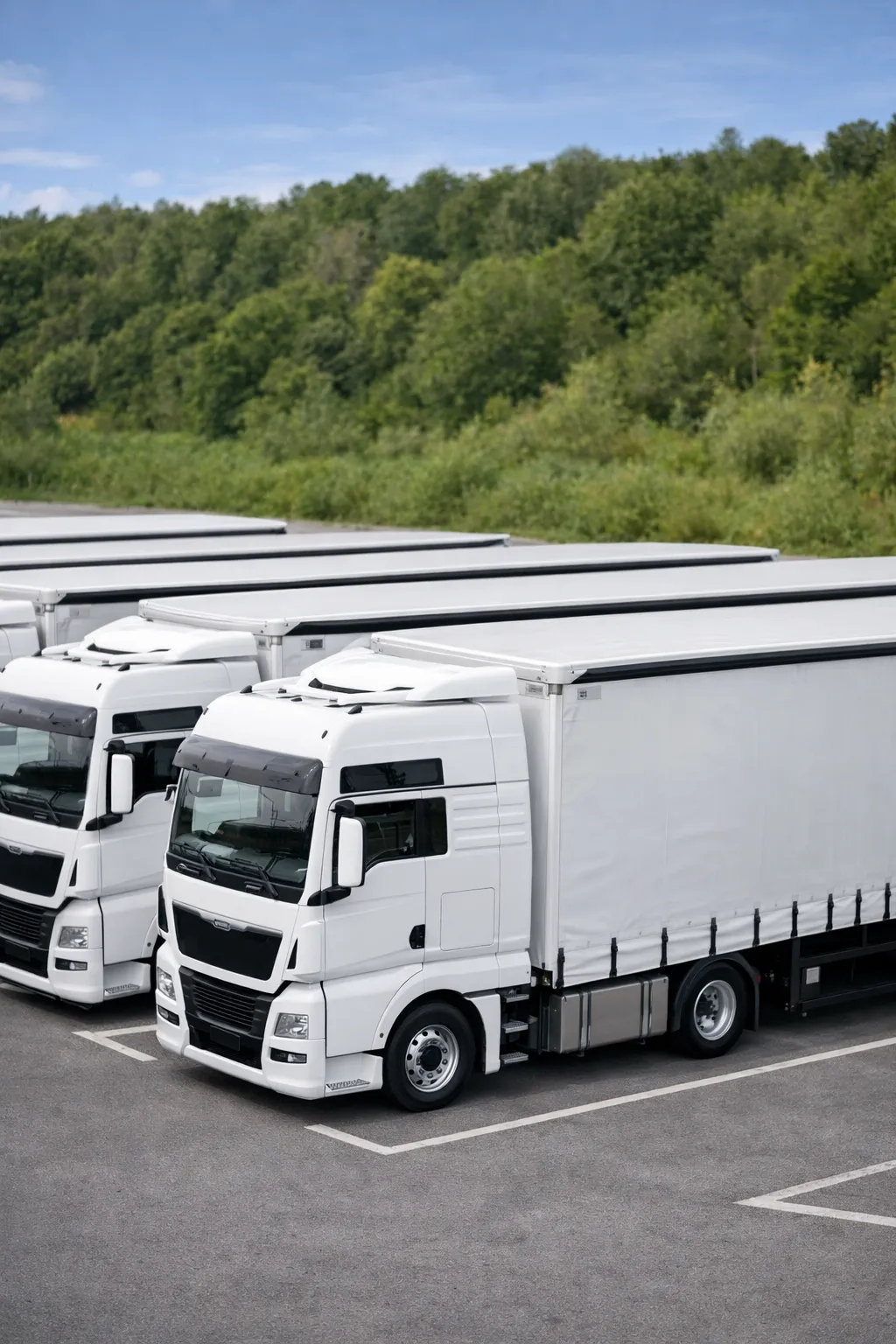
Transport optimization for demanding FTL processes
Economical results are created where time windows, resources, equipment, carrier selection, onward options, and disruption handling are evaluated together.
We can show you how the typical requirements of full truckload can be represented in a scalable optimization solution, including intelligent onward optimization for vehicles already in the field.
Learn more about route planning, restriction logic, and algorithmic transport optimization.
Assess in a structured way where the biggest levers sit in your FTL dispatch process.
We can show you how feasibility validation, resource matching, carrier selection, and onward dispatch can be combined in one robust full-truckload planning approach.