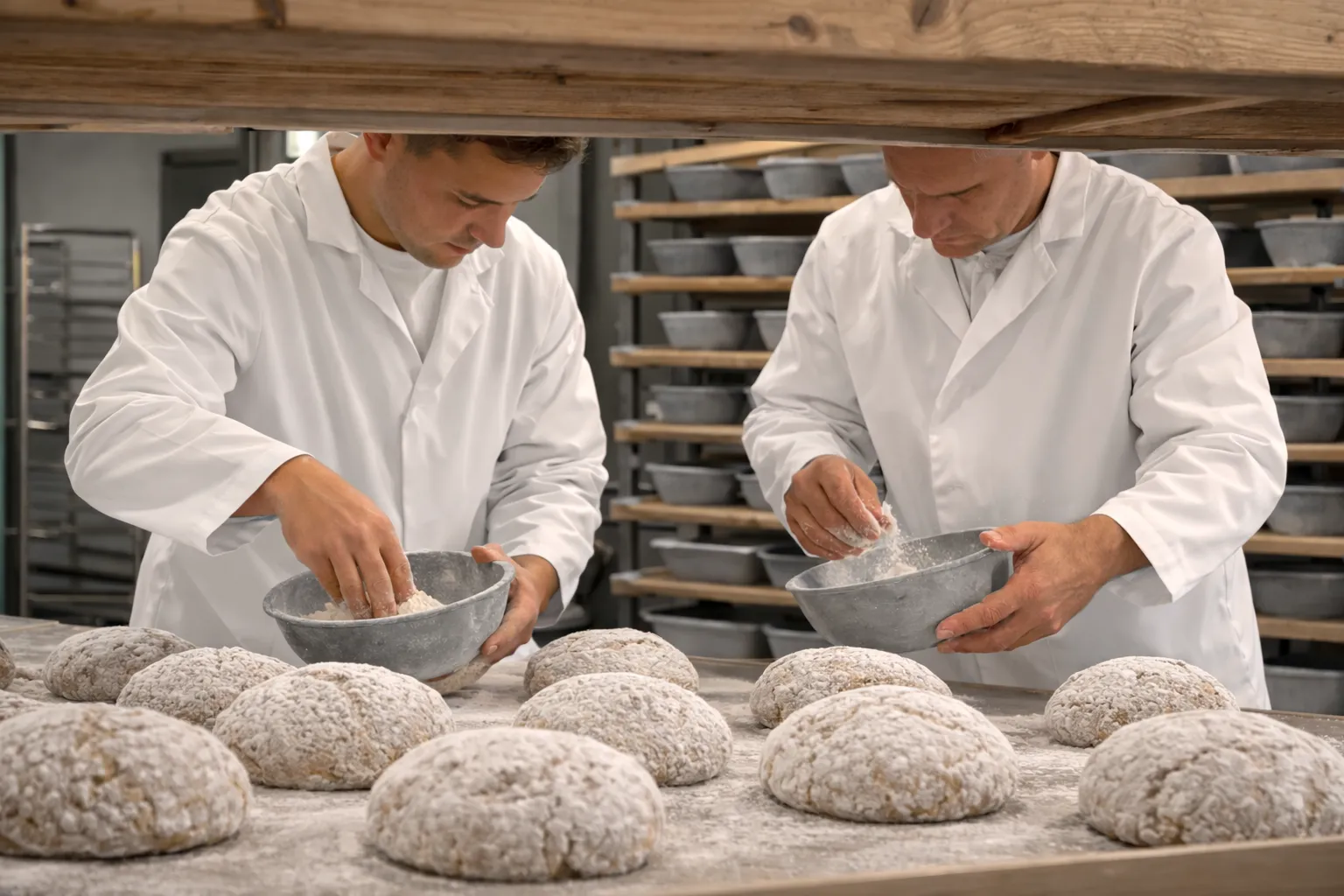
Bakers dusting round loaves with flour on a production table
Solutions Industries Industrial bakeries
Sector industrial bakeries

Transport optimization for industrial bakeries

Deliver stores on time. Plan tours efficiently. Use fleet capacity better.

Industrial bakeries operate under constant time pressure: branches must be supplied before opening, reloads need to fit the daily rhythm, and returns have to flow back while the fleet remains economical.

Why this industry works differently

Multiple delivery waves and tight branch windows

Reloading and multiple tours per vehicle

Mixed own fleet and outsourced transport with returns

Operational reality in industrial bakeries

Branch logistics is more than classical route planning

In bakery networks, route planning is not only about stop order. Production timing, vehicle availability, time windows, and fluctuating branch demand all need to fit the same operational plan.

Tight store windows before opening time

Several delivery waves per day

Returns of empties and unsold goods

Reloading during the day

A mixed fleet of own vehicles and third-party carriers

Strong dependencies on production, picking, and branch demand

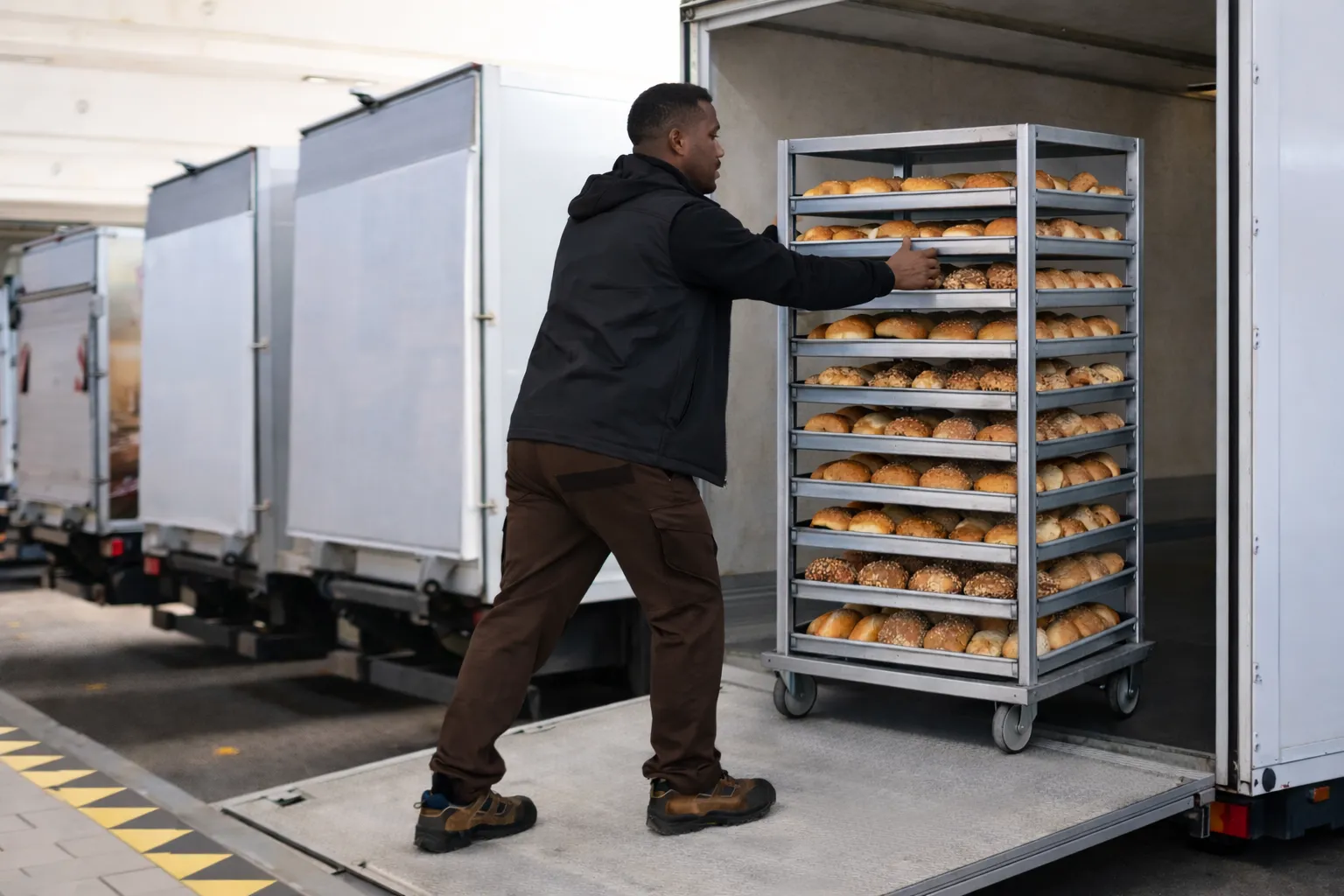
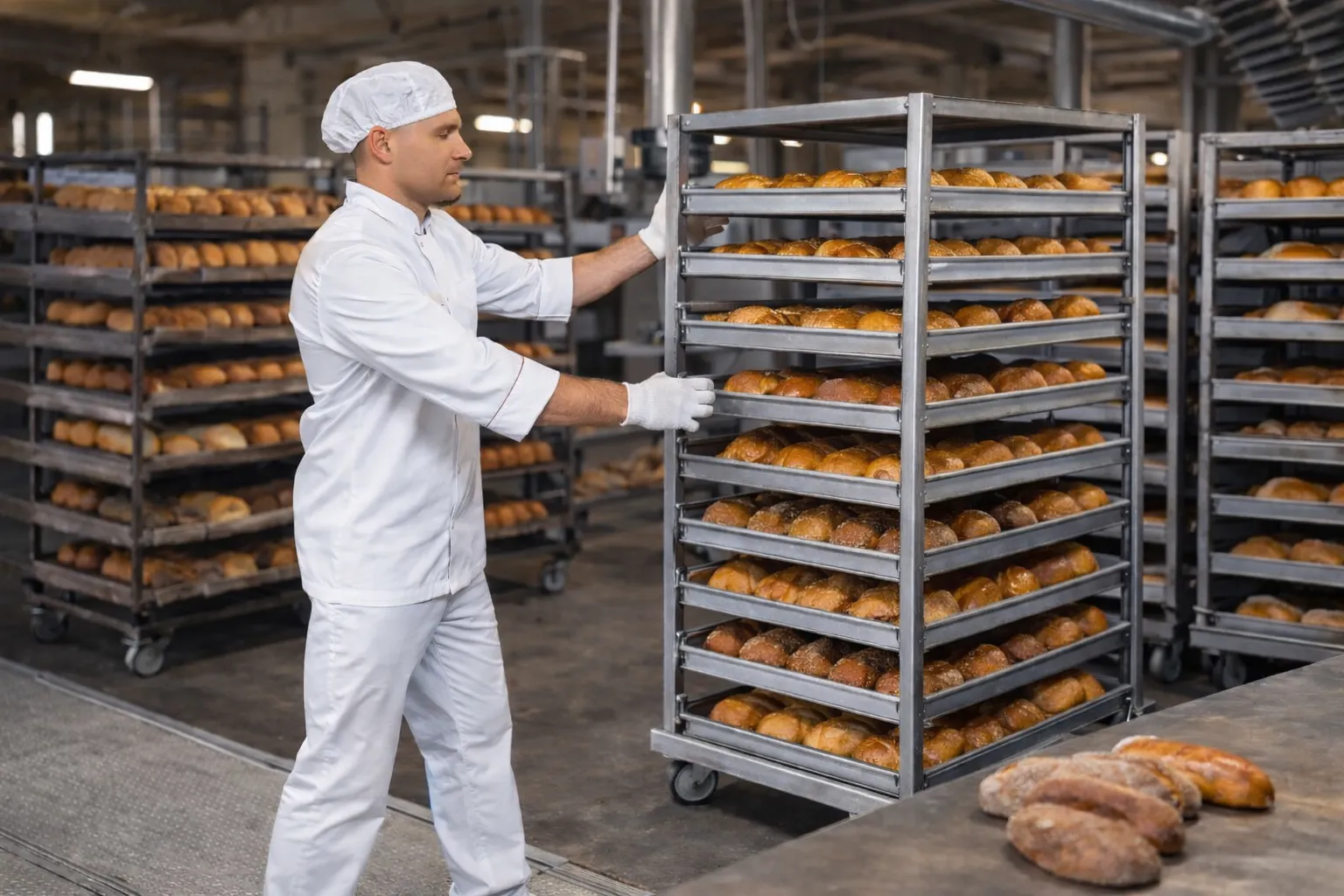
Bakery worker moving a rack filled with loaves
Typical challenges

Where operational complexity emerges in bakery logistics

Stores must be supplied on time

Bakery goods are freshness-sensitive. Stores need reliable deliveries before opening and often one or more additional deliveries later in the day. Even small deviations affect product availability and store operations immediately.

Reloading and multiple tours per vehicle

In many industrial bakeries a vehicle does not stop after one run. Return times, reloading, and second or third tours have to be planned realistically if existing fleet capacity is to be used well.

A mix of own fleet and outsourced capacity

Dispatch teams continuously decide which tours fit the in-house fleet best and where external transport makes more economic or operational sense.

Stable route structures under fluctuating demand

Many bakery networks rely on recurring master tours with fixed branch assignments. Planning therefore has to combine stable daily structures with flexible quantity changes driven by weekday patterns, weather, promotions, and holidays.

Planning capabilities

What our software helps industrial bakeries do

Tour planning for branch networks

Our algorithms optimize tours while considering branch time windows, delivery frequencies, vehicle capacities, return flows, and priorities across stores or product groups.

Master route planning for stable store structures

We support the definition of stable route structures, typical weekday patterns, and seasonal variants so bakery operations stay robust while remaining adaptable.

Optimization of multi-trip operations and reloads

Vehicle returns, reload times, departure windows, driver availability, and dependencies on production and picking logic can all be integrated directly into the planning model.

Structured steering of own fleet and third-party carriers

The solution supports mixed fleets and helps distribute tours between internal and external resources according to utilization targets, cost logic, and operational stability.

Integrated return flows and re-optimization

Empties, returns, and transport carriers are treated as part of the same planning logic. Short-notice demand changes can be re-optimized without rebuilding the whole day manually.

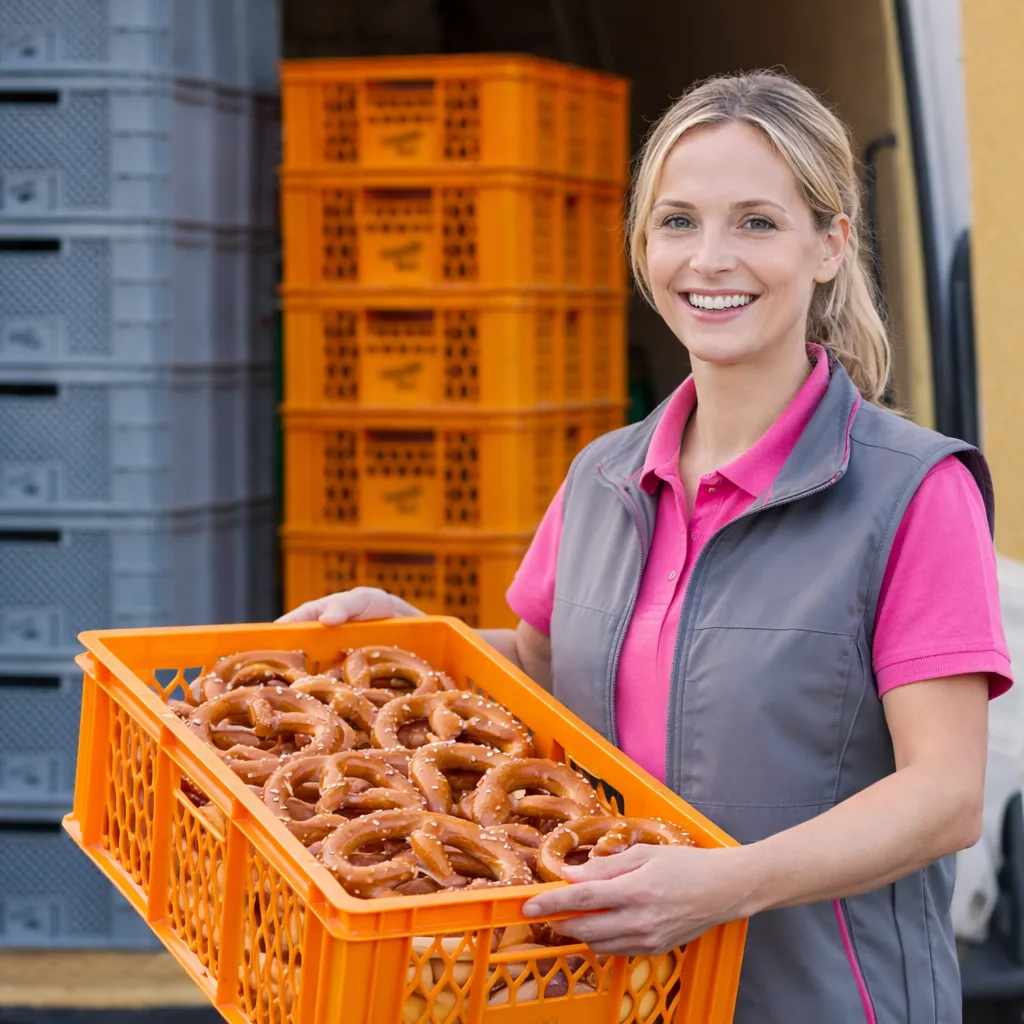
Delivery worker holding a crate of pretzels in front of a bakery van

Operational factors

Typical conditions we can model directly

Branch windows before opening and throughout the day
Multiple delivery waves and recurring tour patterns
Reloading after returning to site
Dependencies on production and picking
Returns of empties, transport carriers, and unsold goods
Vehicle capacities and driver availability
Mixed own-fleet and outsourced operations
Priorities for branches or product groups

Relevant for

Especially relevant where operational complexity keeps growing

Own branch networks
Several delivery waves per day
Reloading and multi-trip operations
Mixed own fleet and outsourced transport
Growing route complexity
High manual dispatch effort
Your benefits

Measurable improvements for dispatch and fleet steering

Benefit 1

Higher fleet utilization

Benefit 2

Lower transport costs

Benefit 3

More transparency in dispatch

Benefit 4

More robust daily operations

Benefit 5

A better basis for growth decisions

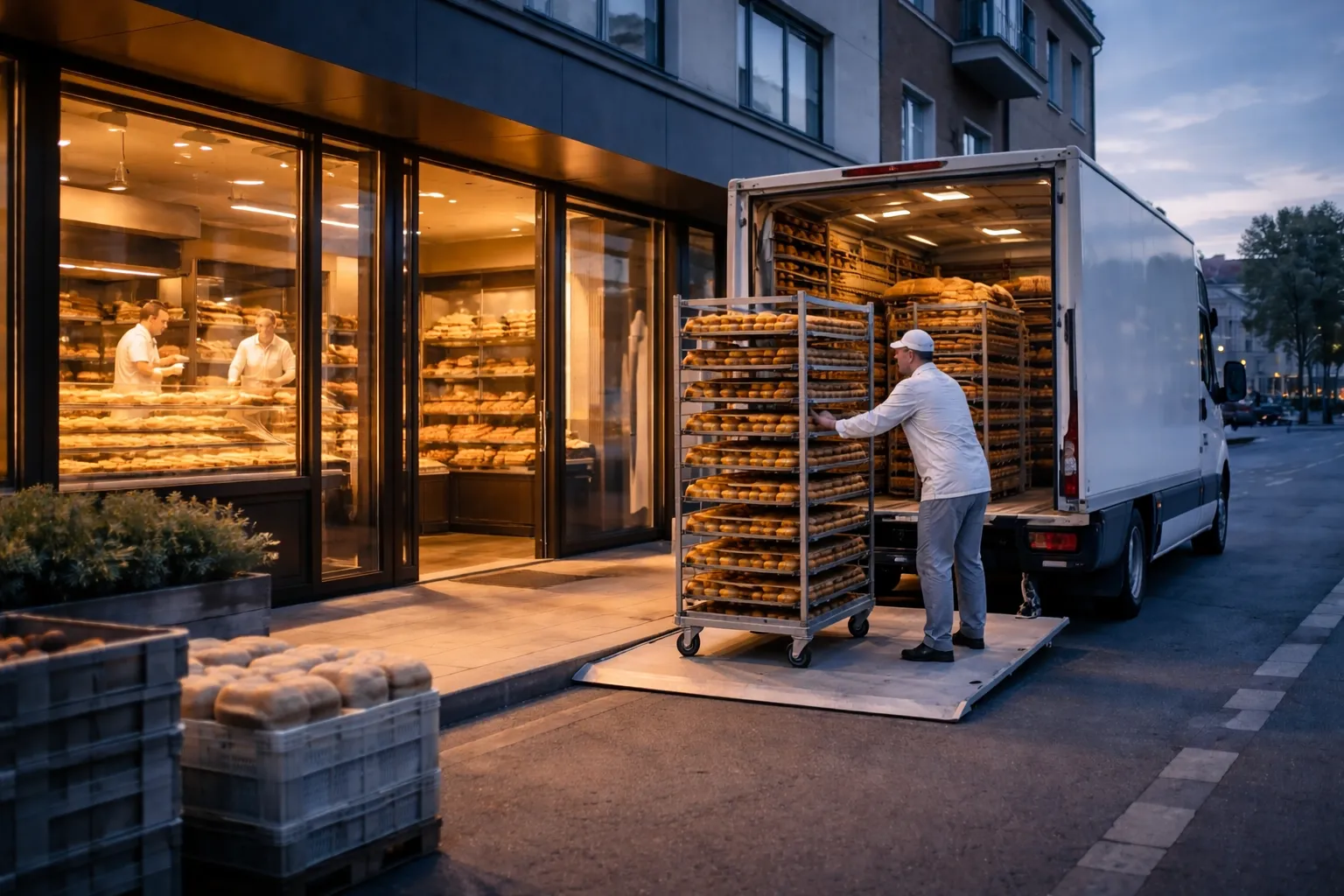
Bakery delivery worker unloading bread racks outside a storefront

Practical instead of generic

Industrial bakeries need more than generic route planning. Tight time windows, reloads, multi-trips, return flows, and mixed fleet structures all belong in one operational model.

Make branch logistics more efficient

A more stable and more economical planning process for industrial bakeries

We can help turn the complexity of your day-to-day bakery network into a more efficient, more stable, and more transparent planning process.