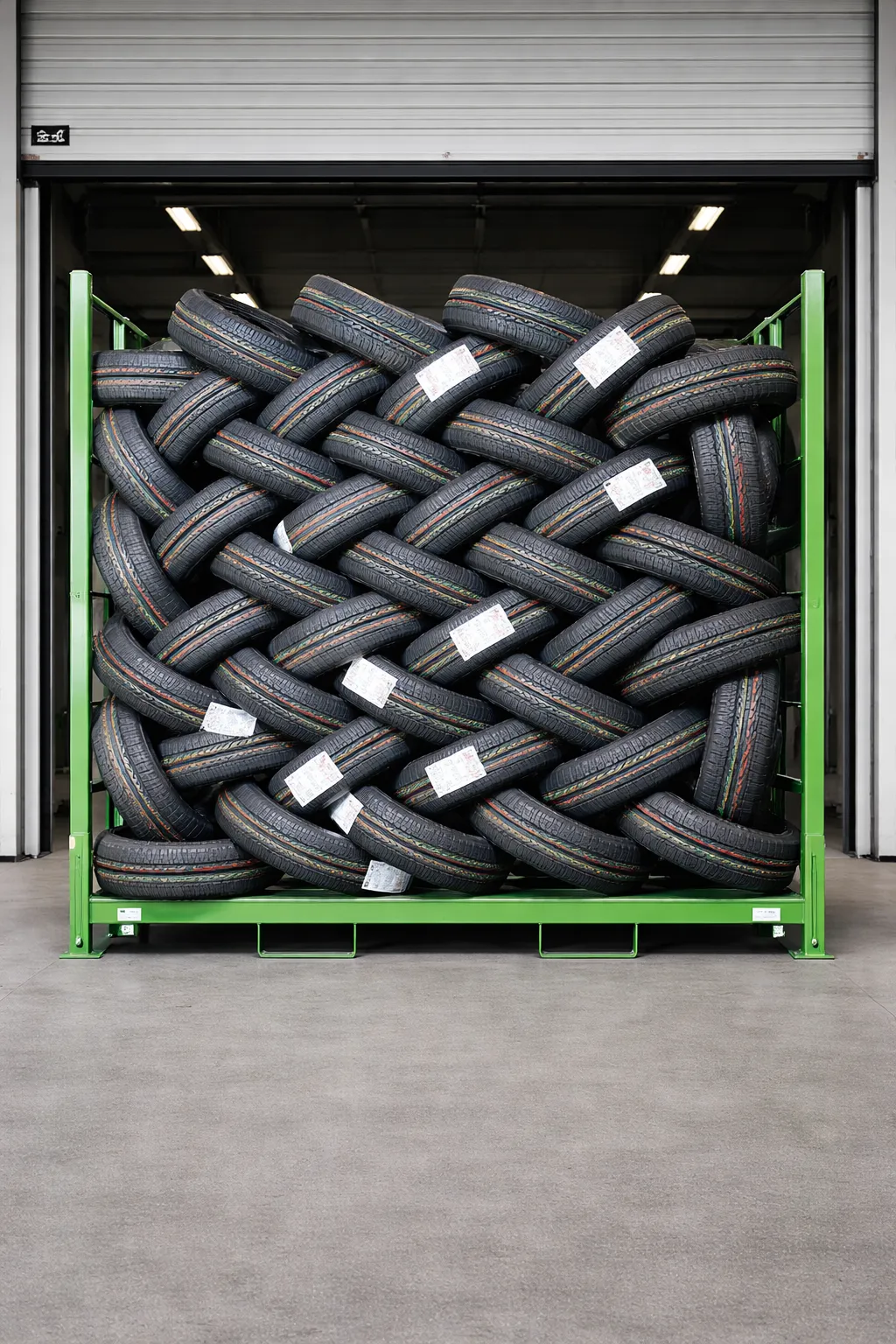

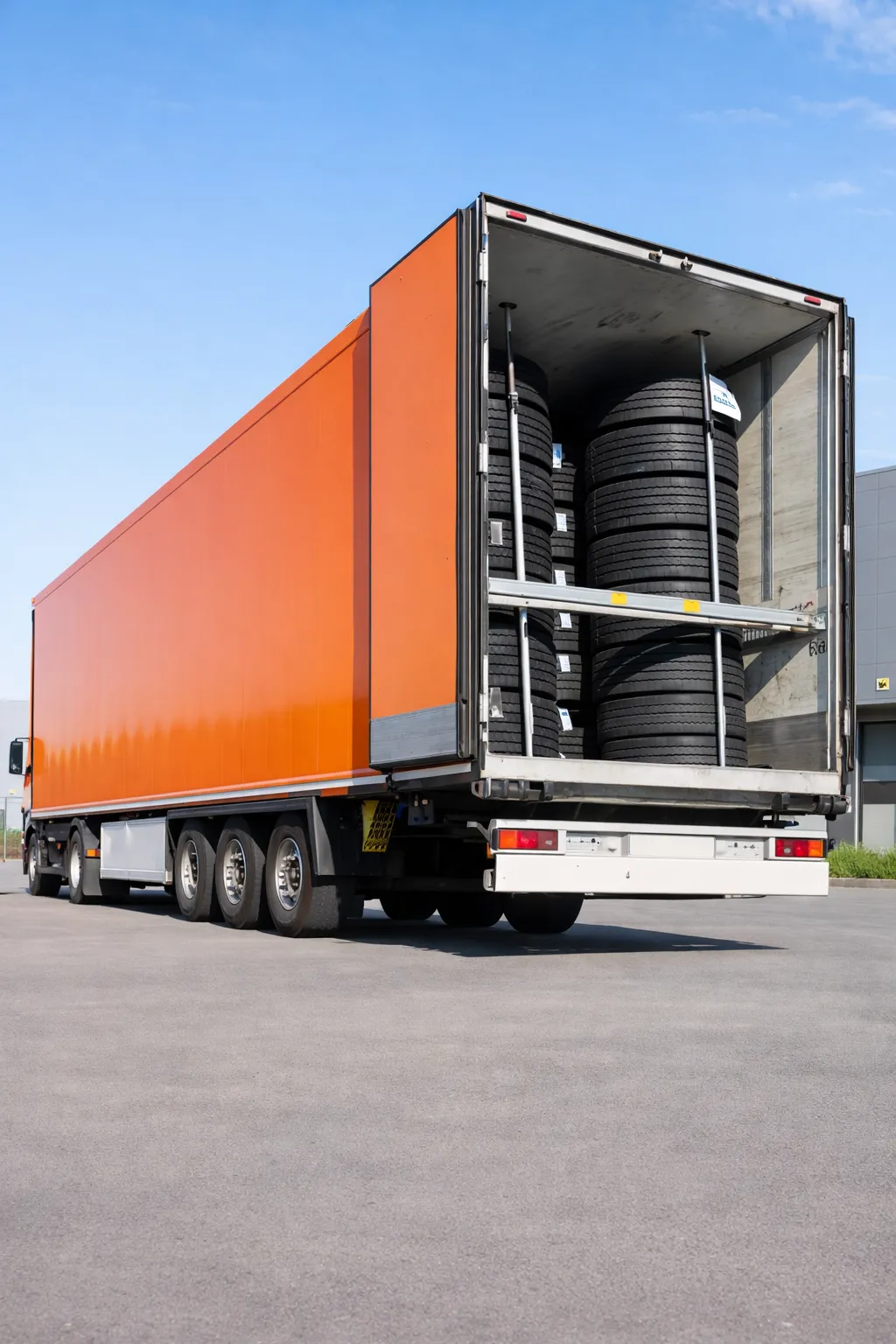
Tire warehouse with seasonal turnover peaks and regional distribution
Solutions Industries Tire logistics
Tire logistics

Transport optimization for tire logistics

Efficient route planning for seasonal peaks, tight delivery windows, regional express flows, and integrated returns.

Tire logistics places specific demands on transport planning and dispatch. Seasonal peaks, tight delivery windows, regional express traffic, returns, and the high volume relevance of the goods make efficient planning demanding. At the same time, workshops, dealers, and branch networks expect reliable supply with high on-time performance.

Our transport optimization software helps companies in tire logistics plan routes more efficiently, use capacity better, and manage operations in a scalable way. That reduces manual dispatch effort, lowers transport costs, and keeps service commitments reliable even during peak phases.

Why this industry is different

Seasonal peaks, tight delivery commitments, and regional express flows happen at the same time

Volume-driven goods need reliable capacity models and suitable vehicle assignment

Delivery, returns, and multi-stage networks need to fit into one planning logic

Plan tire logistics efficiently

Tire logistics is more than classic general cargo distribution

Typical structures are multi-stage networks with a central warehouse, regional sites, and workshop delivery. On top of that, strong seasonal fluctuations occur in spring and autumn, when very high order volumes need to be handled within short periods.

Daily operations are demanding at the same time: orders need to be processed within defined cut-off times, delivery territories have to be bundled economically, and vehicles have to be matched to volume and route structure. On top of that come returns, claims, or the seasonal storage and retrieval of complete wheel sets.

That is exactly where integrated transport optimization comes in: with planning that is not only efficient on paper, but actually reflects the operational reality of tire logistics.

Multi-stage structures with central warehouse, regional sites, and workshop delivery

Strong seasonal fluctuations in spring and autumn with short-notice volume peaks

Delivery windows, cut-off times, and economical territory design in daily operations

Volume-driven goods requiring suitable vehicle and capacity logic

Returns, claims, and seasonal storage and retrieval of complete wheel sets

High demands on transparency, ETAs, and operational control

Tires prepared for regional delivery and seasonal peak phases
Typical challenges in tire logistics

The key planning levers sit in the operational details

Economical routes and stable service levels only emerge when seasonal logic, volume constraints, return flows, and delivery commitments are planned together.

01

Manage seasonal peaks

In the tire market, demand and transport volume rarely move evenly. Especially during seasonal changeovers, order volumes rise sharply within short periods. Without the right planning logic, that quickly leads to extra trips, overtime, weaker utilization, and unnecessary cost pressure.
02

Keep tight delivery commitments reliably

Workshops and dealers need predictable supply so installation appointments and workshop schedules can be kept. That makes delivery windows, cut-off times, and reliable stop sequences core control levers in dispatch.

03

Transport bulky goods economically

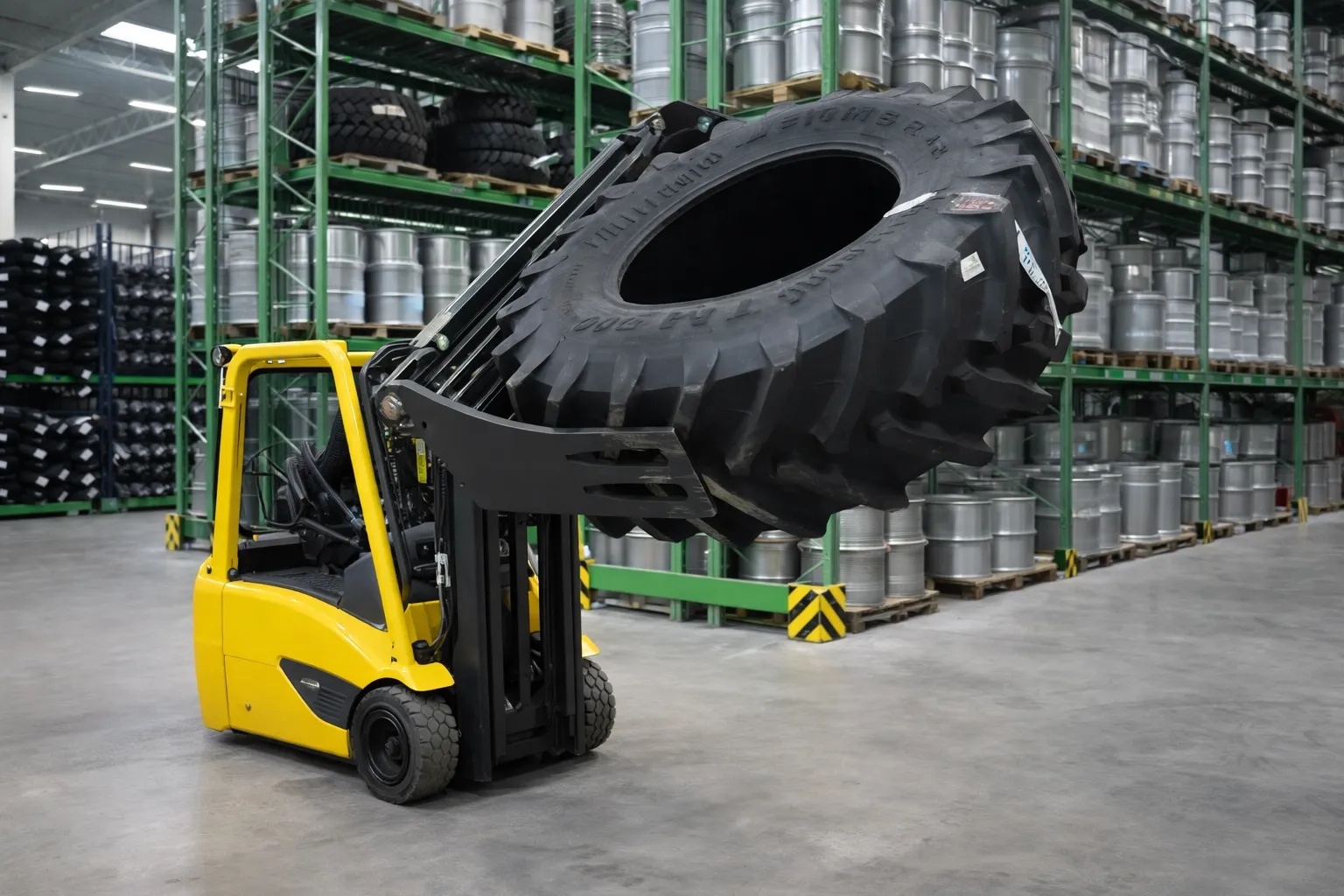
Tires and wheels consume significant loading volume and place different demands on planning than classic parcels or standard pallet freight. What matters is realistic capacity modeling, suitable vehicle assignment, and route logic that accounts for volume constraints cleanly.

04

Plan delivery and return flows together

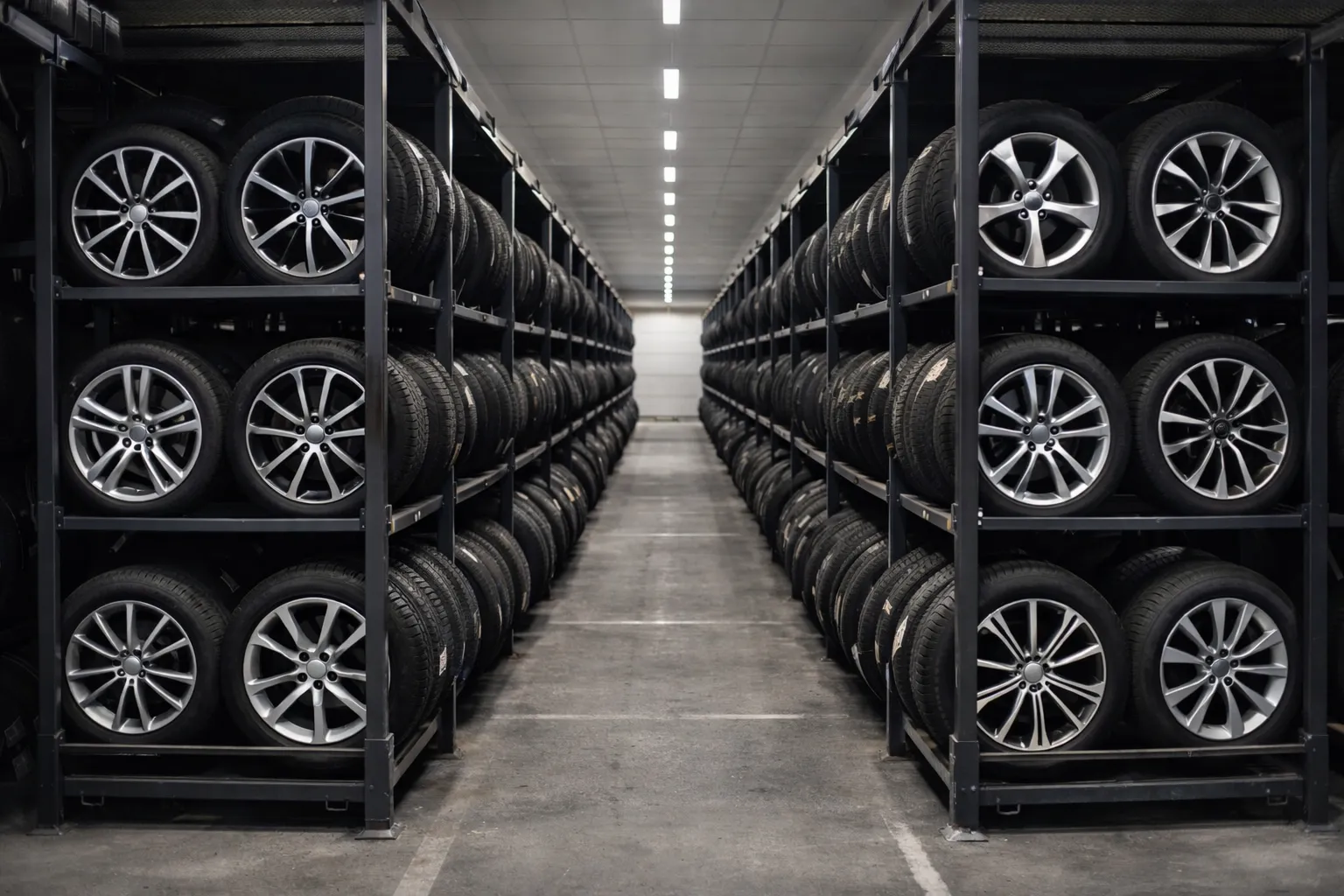
Besides outbound delivery, companies often also need to organize returns, claims, seasonally stored wheel sets, or other reverse flows. Planning these transports separately creates unnecessary complexity and cost. The real benefit emerges when both flow directions are optimized together.

05

Create transparency in daily operations

In dynamic delivery networks, dispatchers need visibility and the ability to react. If routes are only planned statically, delays, priority changes, or short-notice additional orders quickly erode control. What is needed is planning with transparency, reliable ETAs, and operational steerability.

Tire logistics with coordinated route and network planning
Our solution for tire logistics

Software for integrated planning and scalable daily operations

Our software helps companies in tire logistics plan transports holistically and improve operations in a targeted way. We account for operational constraints from daily business instead of relying only on theoretical standard models.

The solution helps you,

plan routes automatically and economically

improve utilization and resource deployment

meet service levels reliably

manage seasonal peaks more effectively

dispatch return flows in an integrated way

and optimize planning across multiple sites

The result is a dispatch process that works more robustly, faster, and more scalably.

What our software optimizes in tire logistics

Relevant levers for more economical and more stable transports

What matters is not only a mathematically good route. What matters is that capacity, service commitments, network structures, and return flows interact in a way that keeps planning robust in daily operations.

Route planning for workshop and dealer delivery

Our solution creates economical routes while considering delivery territories, time windows, drive times, cut-off times, priorities, and vehicle capacities. That helps organize daily deliveries precisely and efficiently.

Capacity planning for peak phases

Especially during seasonal peaks, forward-looking and flexible planning is essential. Our software helps make additional capacity needs visible early, deploy resources deliberately, and adapt route structures dynamically to changing volume levels.

Multi-depot and network optimization

Many companies in tire logistics operate with a central warehouse, regional hubs, or multiple transshipment points. Our solution optimizes transports not only at route level, but across the full network. That makes supply, stock transfers, and regional distribution easier to align.

Integrated planning of delivery and pickup

Deliveries and return flows can be dispatched together. Whether the task involves returns, claims, stored wheel sets, or other reverse logistics, the software models both movement directions within one integrated planning logic.

Transparency and operational control

Reliable ETAs, current route status, and fast reaction options during disruptions create a stronger control basis for dispatch, customer service, and operations leadership. That makes transport planning not only more efficient, but also more transparent.

Rule-based optimization aligned with your constraints

Every company operates with its own restrictions and priorities. That is why the optimization logic can be adapted to your processes, for example around territories, vehicle types, service classes, fixed stops, or customer-specific requirements.

Who this solution is for

A strong fit for companies with high operational dynamics in tire logistics

Our software is suited to companies that want to plan transports in tire logistics more efficiently and more robustly, for example:

Tire dealers with their own delivery network

Wholesalers and distribution networks

Logistics providers focused on tires or the automotive aftermarket

Companies with seasonal wheel and tire storage

Branch networks, workshop groups, and regional delivery networks

Regional tire distribution with aligned capacities and service levels
Your benefits at a glance

More efficiency, stability, and control in daily operations

Intelligent transport optimization in tire logistics creates the foundation for more economical and more stable processes.

Benefit 1

lower transport costs through better utilization

Benefit 2

less manual dispatch effort

Benefit 3

higher on-time performance in daily operations

Benefit 4

better control of seasonal peaks

Benefit 5

integrated planning of delivery and return flows

Benefit 6

more transparency in operational control

Benefit 7

scalable processes as order volume grows

Typical use cases

Where transport optimization has especially high impact in tire logistics

Regional workshop delivery

Multiple workshops and dealers need daily supply within defined time windows. Our software builds economical routes, accounts for priorities, and supports reliable supply in daily operations.

Seasonal changeovers with sharply rising order volumes

At seasonal changeover points, delivery and pickup orders rise abruptly. The solution helps plan capacity deliberately, densify route structures, and keep peak phases manageable operationally.

Stock transfers between locations

Inventory has to be shifted quickly between the central warehouse and regional sites to secure availability in the target area. Our software optimizes these transports across the whole network instead of treating them as isolated single trips.

Delivery with simultaneous returns pickup

During delivery, returns, claims, or stored wheel sets are collected at the same time. The software plans both transport streams together and thereby creates more efficient operations.

Frequently asked questions

Answers to common questions about tire logistics

Can the software handle seasonal peaks in tire logistics? +

Yes. Our solution supports planning for strongly fluctuating order volumes and helps steer additional capacity, routes, and priorities efficiently.

Can delivery and returns be planned together? +

Yes. Deliveries and pickups can be included in one jointly optimized route. That reduces effort and improves resource utilization.

Does the solution support multiple warehouse or depot locations? +

Yes. Our software can optimize transports across multiple sites and is therefore also suitable for networks with a central warehouse, regional hubs, or decentralized structures.

Is the solution suitable for regional delivery networks? +

Yes. Regional delivery structures with tight time windows and high delivery frequency are exactly where transport optimization creates noticeable value.

Can the software be integrated into existing systems? +

Yes. Our solution can be integrated into existing system landscapes, for example TMS, ERP, or WMS environments.

Tire logistics with scalable planning for peak phases and return flows

Demanding transport processes

We do not deliver generic standard planning, but optimization for demanding transport processes. Our software captures the operational complexity of tire logistics, from seasonal peaks and multi-stage network structures to return flows and tight service windows.

Optimize tire logistics deliberately

Planning that holds up in daily operations

The result is planning that does not just look good in theory, but works reliably in daily operations. That gives you a dispatch setup that operates more economically, responds better to change, and grows with your business.

If you want to improve routes, capacities, and service levels in tire logistics, we can show you where transport optimization can create concrete impact in your network.