
Transfer to depots and delivery bases
Shipments move from a central warehouse, hub, or handling point to regional depots or delivery bases. That is where fine-grained delivery control really starts.
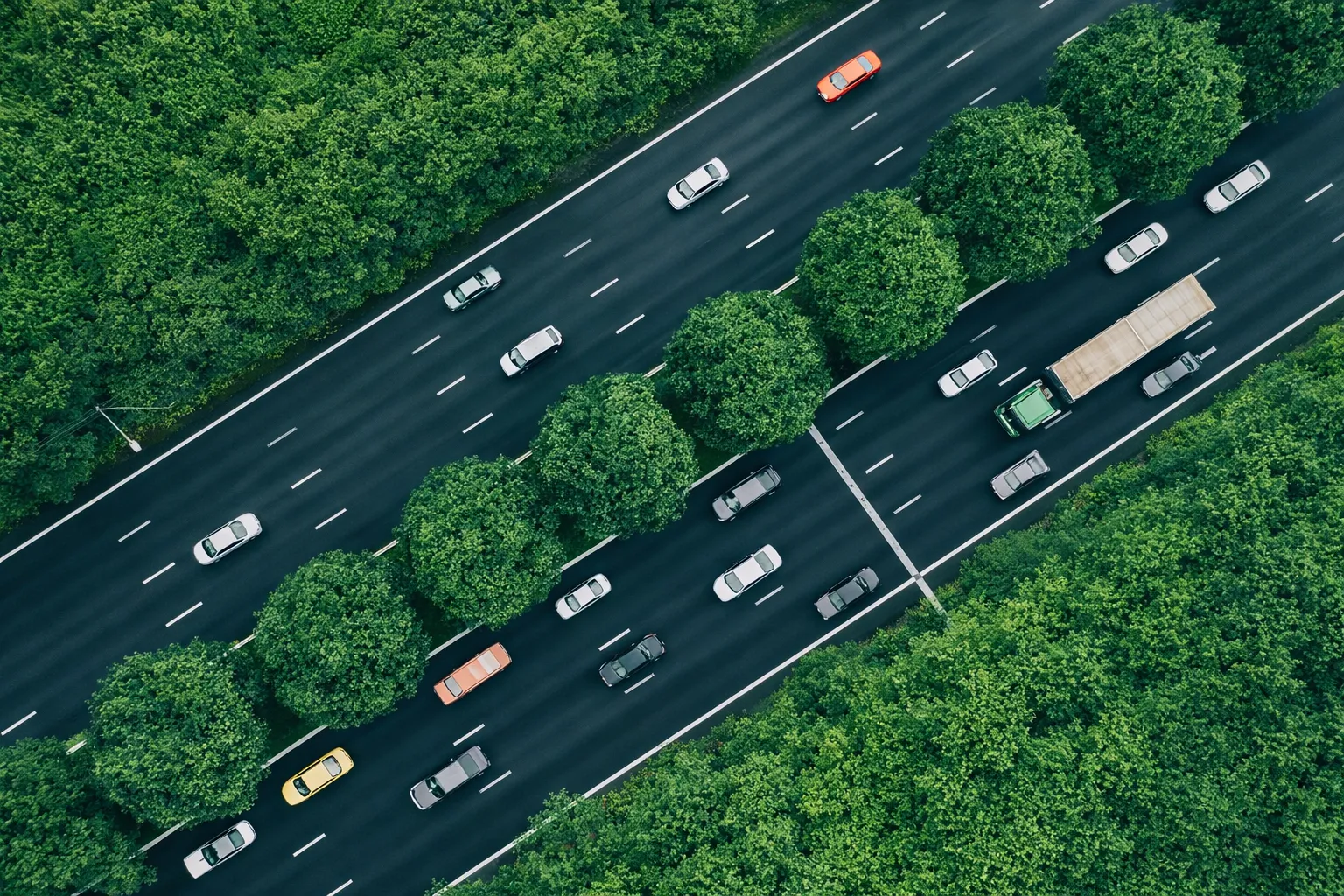
Distribution and last mile place especially high demands on planning and dispatch. Between depot, territory, time windows, vehicle restrictions, and short-notice changes, a level of complexity emerges that manual planning struggles to control.
Our optimization software helps companies plan depot-based delivery structures economically, with service quality and operational robustness in mind.
Why this transport structure is especially demanding
Depot, territory, vehicle, and stop sequence need to follow one shared logic.
Tight windows, high stop density, and fluctuating volumes make delivery planning highly dynamic.
Re-optimization during the day is not an exception, but part of operational reality.
In distribution, planning does not end once freight reaches the depot. Orders still need to be assigned sensibly to locations, territories, and vehicles, tours need to be built efficiently, and the plan needs constant adjustment throughout the day. At the same time, expectations around delivery quality, transparency, and responsiveness keep rising.
Typical last-mile characteristics are tight time windows, high stop density, fluctuating volumes, different service levels, and operational disruptions. This is exactly where planning needs to model not just routes, but the full delivery logic between depot, vehicle, and order.
Depot-based delivery networks connect locations, territories, vehicles, and stops in one shared dispatch logic
Tight windows, high stop density, and fluctuating daily volumes increase operational complexity sharply
Delivery quality, transparency, and reaction speed all need to be secured at the same time
Vehicle restrictions, range limits, and urban access rules directly affect planning
Orders, returns, pickups, and additional processes need continuous rebalancing during the day
Re-optimization in live operations is central because new orders and disruptions can arise at any time
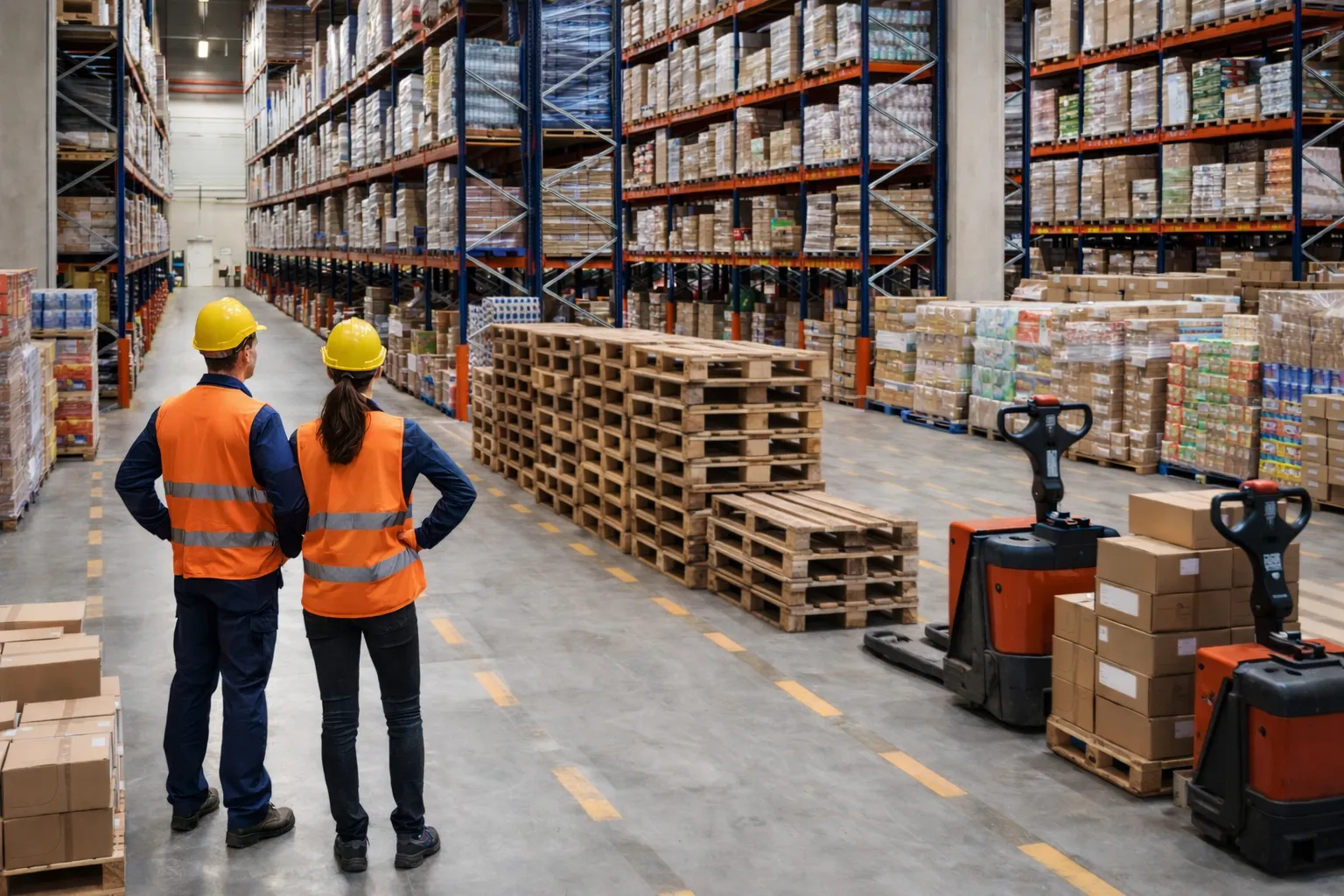
Distribution and last mile usually follow a multi-stage logic. Shipments are transferred from a central warehouse, hub, or cross-dock to regional depots or delivery bases. There they are sorted, consolidated, and assigned to available resources before the regional fine distribution starts by territory, priority, time window, or route cluster.
Many networks also need to handle additional waves, reloads, returns, pickups, or inner-city restrictions. That turns classic route planning into an integrated dispatch task.
Shipments move from a central warehouse, hub, or handling point to regional depots or delivery bases. That is where fine-grained delivery control really starts.
At the depot, jobs are sorted, consolidated, and assigned to available vehicles and route clusters by territory, priority, time window, or service level.
During the day, regional delivery, additional waves, reloads, returns, pickups, and reactions to disruptions turn route planning into an integrated dispatch task.
Powerful planning in distribution and last mile needs to do much more than optimize stop order. Delivery only becomes economical and robust when territory logic, time, resources, and additional processes are planned together.
Orders, customers, and delivery areas need to be distributed sensibly across depots, regions, and vehicles. A strong structure forms the basis for stable tours and high utilization.
Delivery commitments, priorities, and SLA targets need to be met reliably. Hard and soft time windows, fixed delivery slots, and customer-specific service logic all play a central role.
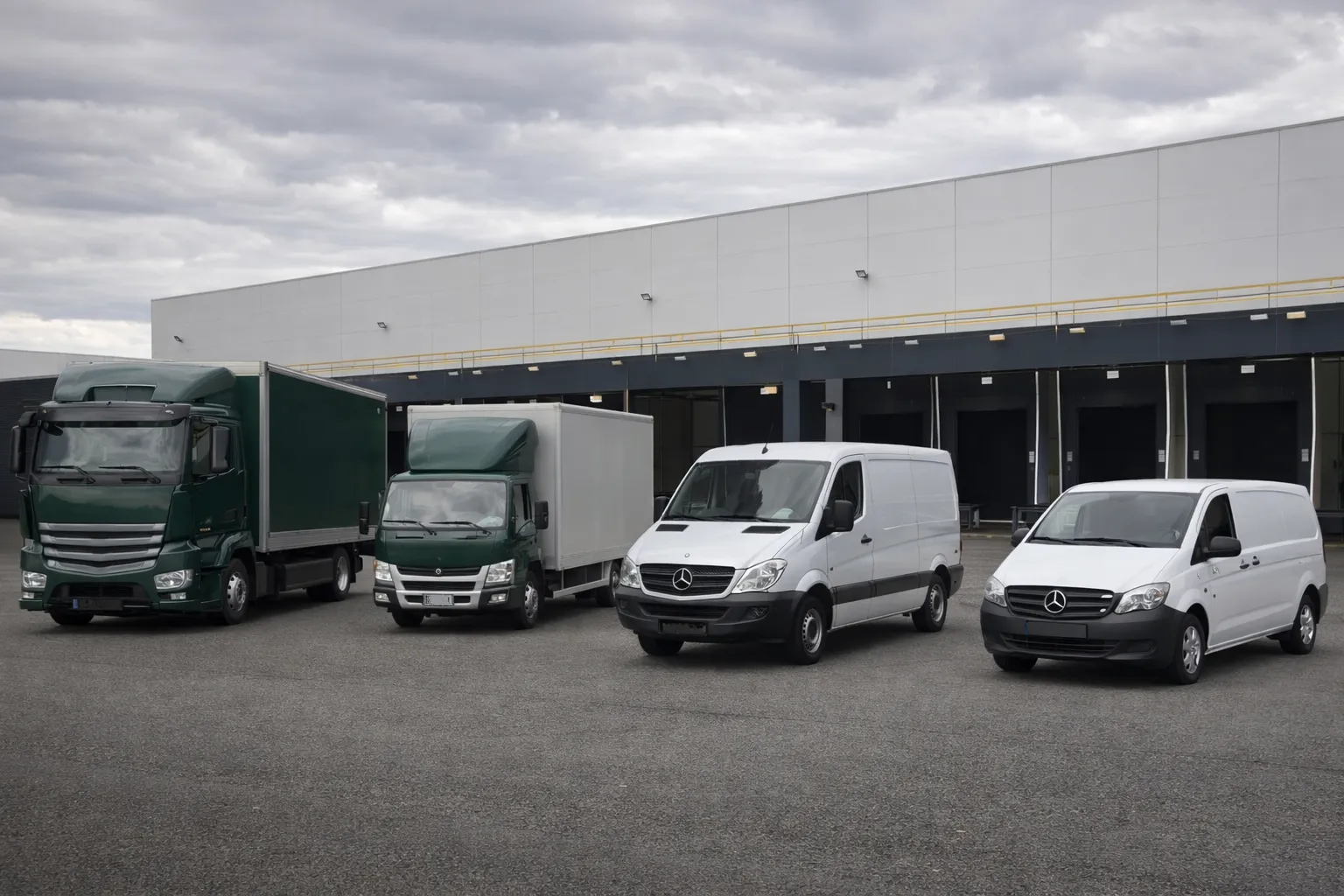
Different vehicle types, capacities, ranges, shift models, and access restrictions shape the plan directly. This is especially important in urban delivery structures using low-emission or smaller vehicles.
Orders often do not become available at the same time. Planning needs to handle release times, sort completion, reload processes, and several delivery waves.
Delays, new orders, vehicle failures, or traffic disruptions require quick adjustment. Re-optimization during the day is therefore a core part of modern dispatch.
Returns, empties, pickups, exchange processes, or failed deliveries are part of operational reality in many networks and need to be integrated into planning.
How our software helps
Our software optimizes distribution and last mile holistically. Instead of calculating only isolated tours, it models the operational reality of depot-based delivery networks systematically and supports both forward planning and live dispatch.
That includes intelligent order assignment to depots and territories, route optimization under time windows and restrictions, planning for heterogeneous fleets, and continuous re-optimization when deviations occur. Delivery waves, multi-trip scenarios, reloads, returns, and pickups can all be represented in one integrated planning logic.
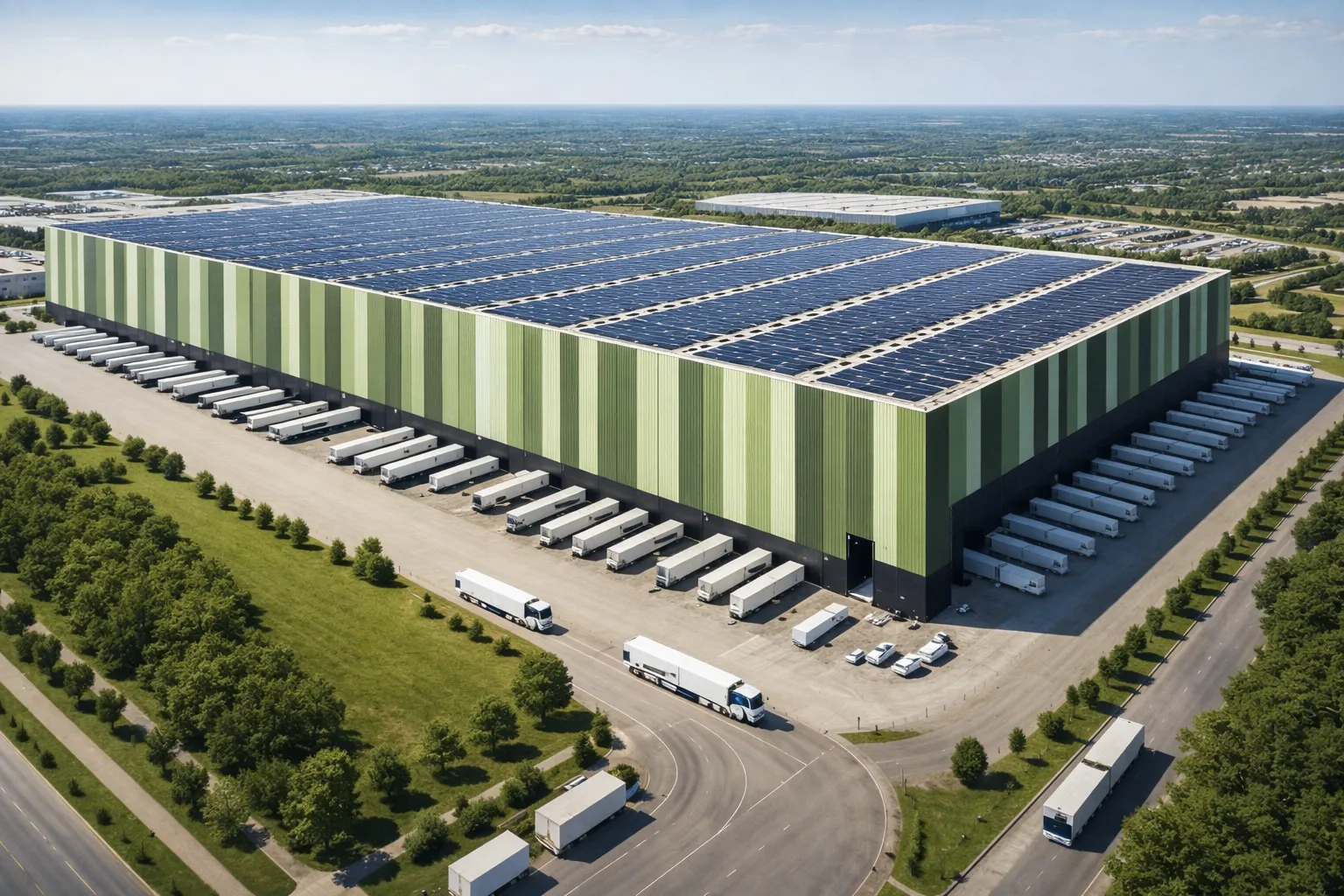
Our software supports the structured allocation of orders to depots, regions, and delivery territories so a robust basis for stable tours can be created.
Time windows, vehicle restrictions, service levels, and operational boundary conditions flow directly into route formation instead of being corrected manually afterward.
Different vehicle classes, capacities, ranges, shift models, and urban restrictions can all be represented together in one integrated planning logic.
Several delivery waves, reloads, and repeated vehicle usage during the day can all be planned and dispatched systematically.
When deviations occur, the solution generates robust alternatives quickly so dispatch teams can react to new orders, delays, or failures in a structured way.
Returns, empties, pickups, and other additional processes are not treated in isolation, but optimized as part of one shared delivery logic.
With optimized planning in distribution and last mile, companies improve delivery quality while also reducing operational cost. Tours become more robust, vehicles are utilized better, and dispatch teams are relieved noticeably during live operations.
The result is higher on-time performance, more delivery transparency, fewer manual interventions, and a scalable transport structure that remains manageable even under growth, new territories, or rising volatility.
Time windows, priorities, and service commitments are integrated systematically and can therefore be met more reliably.
Territory logic, vehicle assignment, and wave control improve the use of available resources noticeably.
Dispatch teams receive robust planning proposals and need to rework fewer operational edge cases manually.
Delivery networks are steered with data and create a stronger basis for day-of-operation decisions.
Even under disruptions, new orders, or volume changes, tours stay more stable and easier to adapt.
Growth, new territories, and higher volatility can be handled without proportional growth in dispatch effort.
Built for
Our solution is built for companies with regional or urban delivery, including groupage-adjacent structures, retail replenishment, store logistics, food and beverage distribution, spare-parts supply, CEP-adjacent networks, and B2B or B2C last-mile operations.
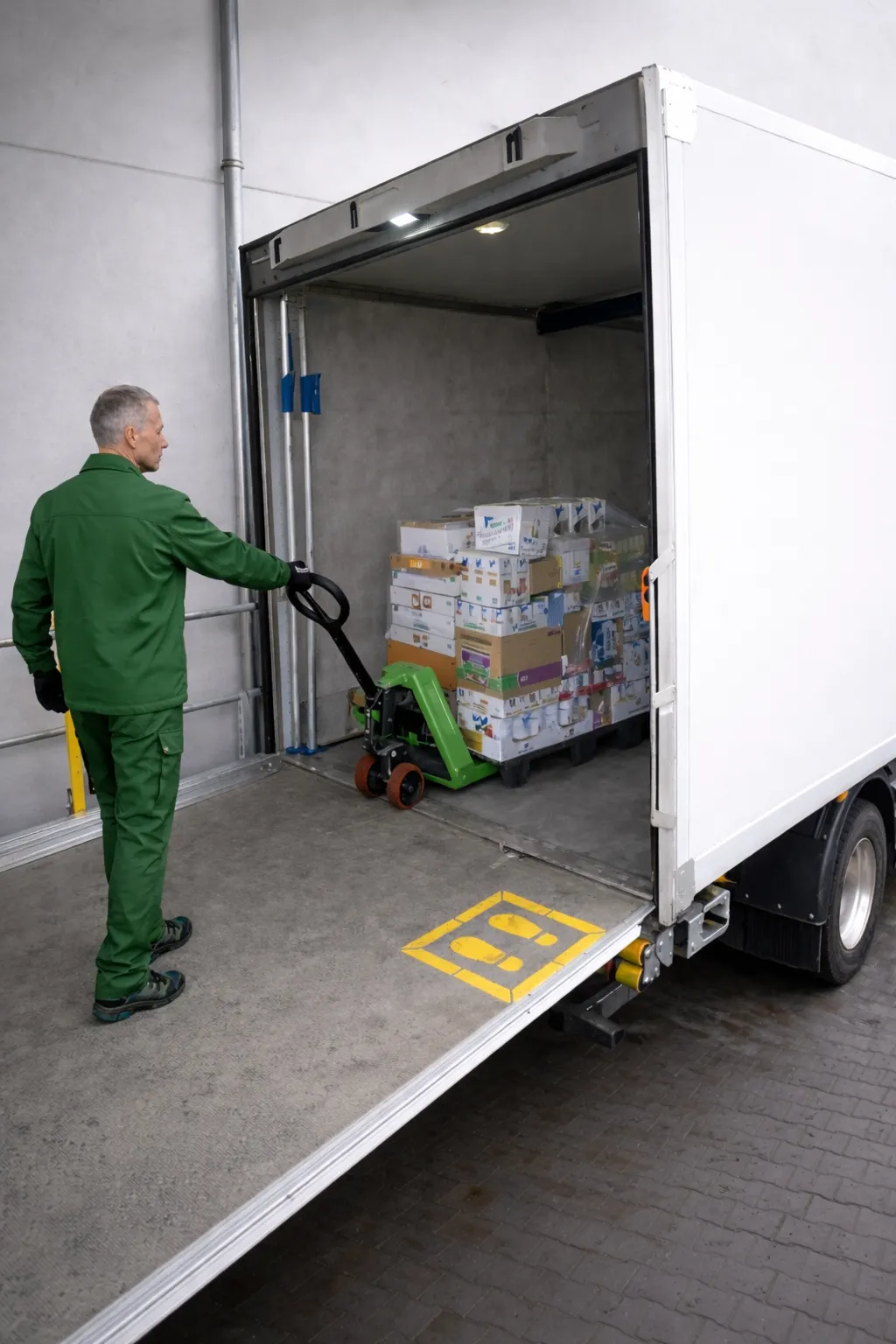
Optimize distribution and last mile
Economical delivery networks are created where territories, depots, vehicles, time windows, and operational changes are managed in one shared logic.
We can show you how intelligent optimization can measurably improve distribution and last mile performance.
Learn more about route planning, restriction logic, and integrated dispatch for complex delivery networks.
Assess in a structured way where the biggest levers sit in depot control, territory planning, and last-mile execution.
We can show you how depot assignment, territory control, time windows, fleet logic, and dynamic re-optimization can be combined in one robust delivery-planning approach.