
Direct runs
Direct runs primarily describe the transport structure: a shipment moves from A to B with as little detour, terminal handling, or additional transshipment as possible.

Direct and special runs belong to the most demanding areas in transport planning. Wherever transports are handled without terminal chains, with high priority, as ad hoc jobs, or with binding delivery commitments, classical planning logic often falls short.
Our software helps companies steer exactly this segment efficiently: direct runs are handled as non-terminal-based transport operations and complemented by special and express jobs.
Why this segment is especially demanding
Short decision windows meet high priority, variable restrictions, and operational uncertainty.
Feasibility, commitment quality, and resource use need to be evaluated in real time.
Directness, urgency, and individuality need to come together in one dispatch logic.
Direct runs, special runs, direct load, and non-terminal-based transport are often used together in practice. That makes sense because they describe a closely related transport world. The differences mainly lie in whether the emphasis is on direct transport structure, terminal-free execution, individualized dispatch, or a time-critical service promise.
For operational planning, that distinction matters: these are different expressions of one shared segment.
Direct runs primarily describe the transport structure: a shipment moves from A to B with as little detour, terminal handling, or additional transshipment as possible.
These terms describe the same underlying logic more from a network and operating-model perspective: transports are not processed inside a terminal-based consolidation network, but dispatched directly, individually, or separately.
Special runs emphasize the nature of the order: individual, exceptional, customer-specific, or particularly critical. The focus is on the exceptional character of the transport.
Express refers mainly to urgency, priority, and delivery commitment. Many express jobs are executed directly or on a dedicated basis, but the term itself describes the service promise first.
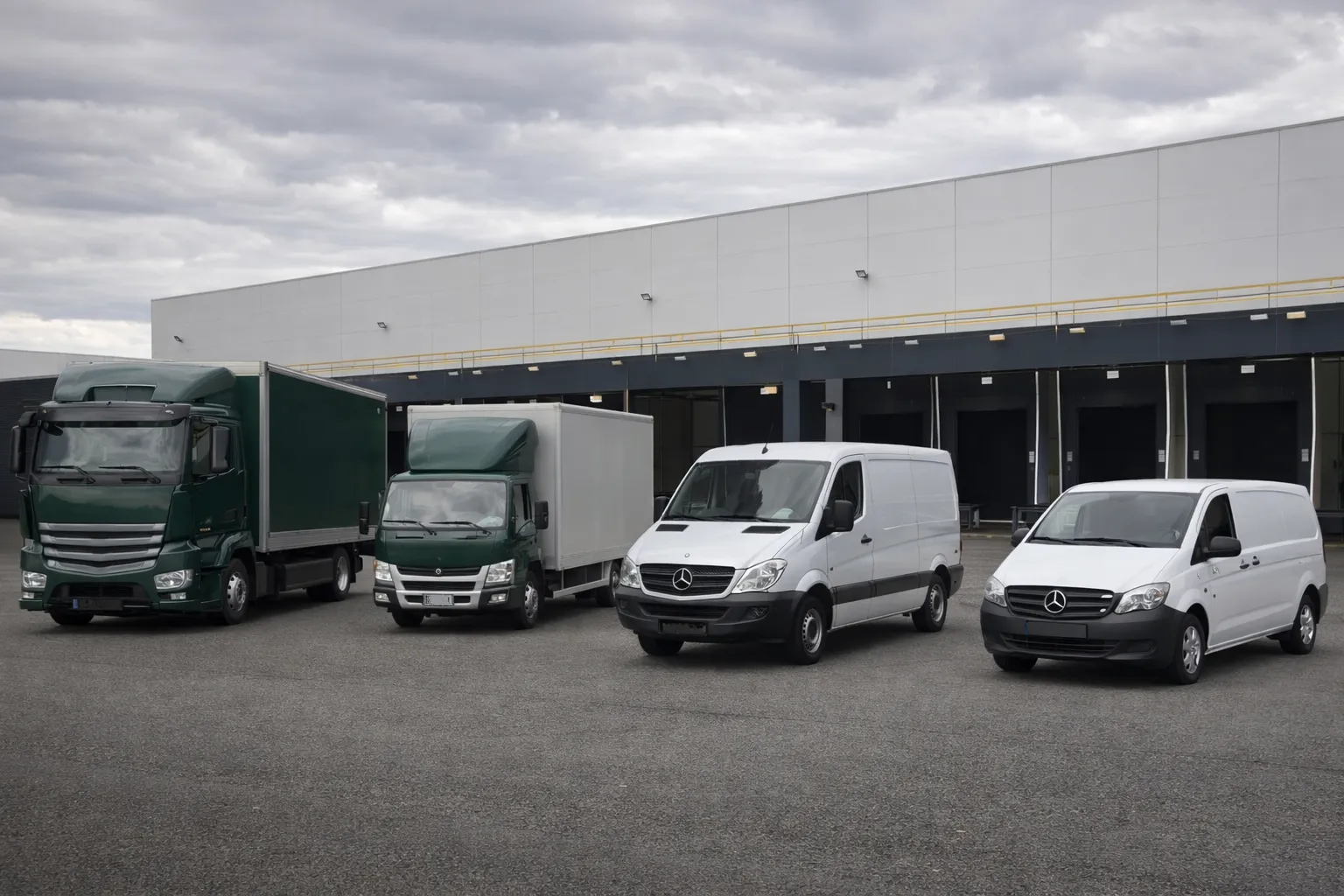
Despite the different labels, these transports share key traits. They are usually far more dynamic than classical linehaul or loop planning and place higher demands on dispatch, transparency, and responsiveness.
From a planning perspective, that means it is not enough to compute a route. What matters is making the right operational decision in a very short time.
Direct or highly prioritized relations between pickup and delivery
Little or no terminal handling and dedicated execution
Tight time windows and very short decision horizons in dispatch
Strong dependency on current vehicle, driver, and carrier availability
High need for ETA, status visibility, and professional exception handling
Operational decisions need to stay robust under very high time pressure
In classical route models, the main objective is often the best stop sequence, stable loops, and efficient use of available capacity over a longer planning horizon. In direct, special, and express traffic, the focus shifts toward short-notice jobs, dedicated vehicle decisions, and continuous reaction to change.
Profitability therefore comes not only from route optimization, but from correctly evaluating approach, empty mileage, waiting time, priority, onward opportunity, and service level.
New orders need to be evaluated in very little time: is a suitable vehicle available, can pickup happen in time, and is the promised delivery date truly achievable?
Vehicles, drivers, and carriers need to be reassessed continuously by proximity, capacity, equipment, restrictions, follow-up potential, and backhaul opportunities.
Traffic events, waiting times, changed requirements, or delayed handovers have immediate impact on dispatch and need to be handled systematically.
The decision is not only about route length. What matters as well are approach distance, empty mileage, waiting time, priority, onward potential, repositioning, and the protected service level.
Without current ETA predictions, robust status updates, and risk indicators, direct, special, and express operations are difficult to control reliably.
In this segment, optimization alone is not enough. Planning also needs to enable safe operational decisions and robust commitments under high dynamics.
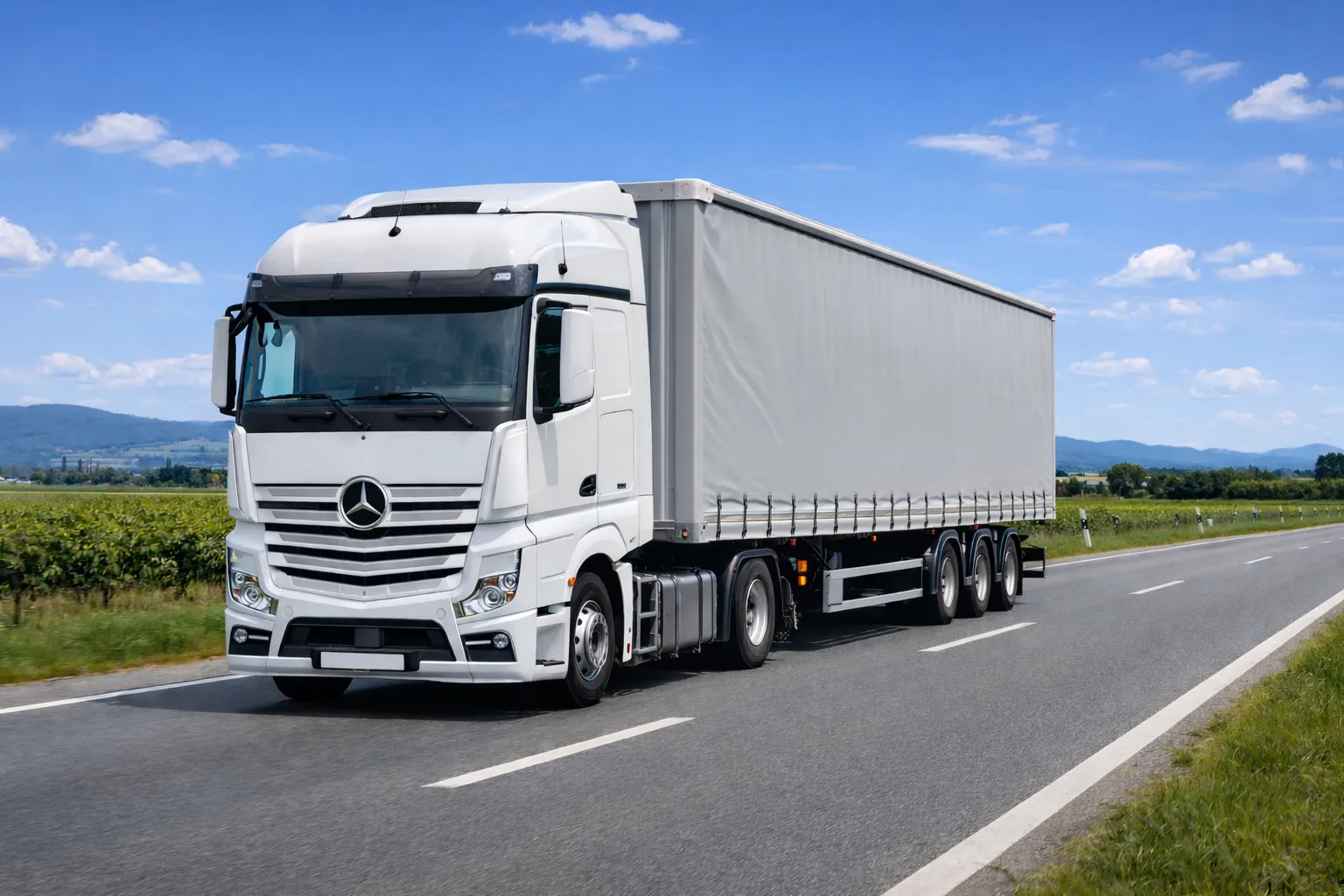
What software in this segment needs to deliver
Anyone who wants to steer this segment efficiently needs more than a classical routing solution. What is required is software that can model directness, urgency, individuality, and terminal-free network logic inside one shared framework.
From a software perspective, it is especially important not to treat these transport forms in isolation. Building separate rules, workflows, or dispatch logic for every variant only increases complexity and reduces controllability.
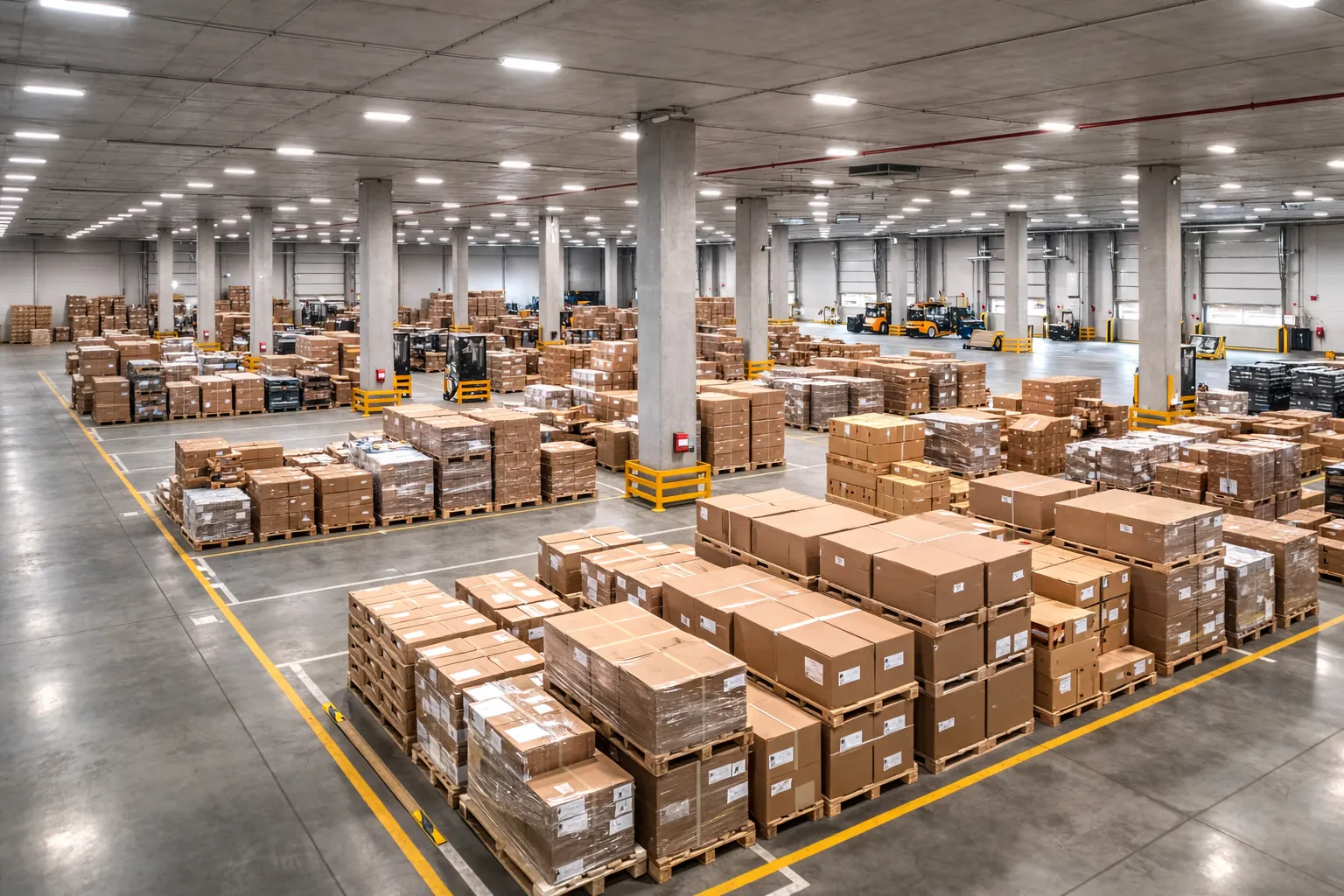
Our solution models direct transports, terminal-free network logic, ad hoc character, and time-critical service promises inside one shared decision model.
New jobs are validated in real time so dispatch can see right away whether a transport can be executed reliably under current conditions.
Location, capacity, equipment, restrictions, and follow-up potential all feed directly into the allocation of own-fleet and partner-network resources.
When new jobs, delays, or deviations appear, the software produces robust alternatives and keeps dispatch operationally ready during the day.
Dispatch, control tower, and customer communication work from one shared view of ETA, status, and risk instead of fragmented point updates.
Empty miles, waiting times, priority levels, and utilization are integrated into the operational decision instead of being considered only afterward.
This segment is relevant wherever transports do not fit standard networks or where time, priority, and individuality play a central role. In exactly these use cases, it becomes clear how important software is that understands operational dynamics not as an exception, but as a plannable part of the model.
Feasibility, restrictions, and priorities are assessed faster so dispatchers can make reliable decisions earlier.
Current ETA forecasts, status messages, and risk indicators create one shared operational view of critical transports.
The software reduces manual search effort, phone-based coordination, and spontaneous replanning during the day.
Available resources can be assigned more systematically by fit, location, and follow-up potential.
Empty miles, backhaul opportunities, and repositioning are not ignored in the decision, but planned actively.
Companies gain more control over a segment that is traditionally seen as highly dynamic and hard to standardize.

Optimize direct and special runs deliberately
Direct runs, special runs, direct load, and non-terminal-based operations are not completely identical, but they follow a shared operational logic. That is exactly what makes a scalable optimization approach possible.
Anyone who wants to manage direct runs, special runs, direct load, and non-terminal-based operations successfully needs software that recognizes shared structure, models the differences cleanly, and derives robust real-time decisions from it. That is exactly what we build optimization solutions for.
Learn more about route planning, restriction logic, and intelligent dispatch for complex transport structures.
Assess in a structured way where the biggest levers sit in direct, special, and express traffic.
We can show you how real-time feasibility checks, ETA transparency, priority logic, and economical resource control can be combined in one robust dispatch approach.