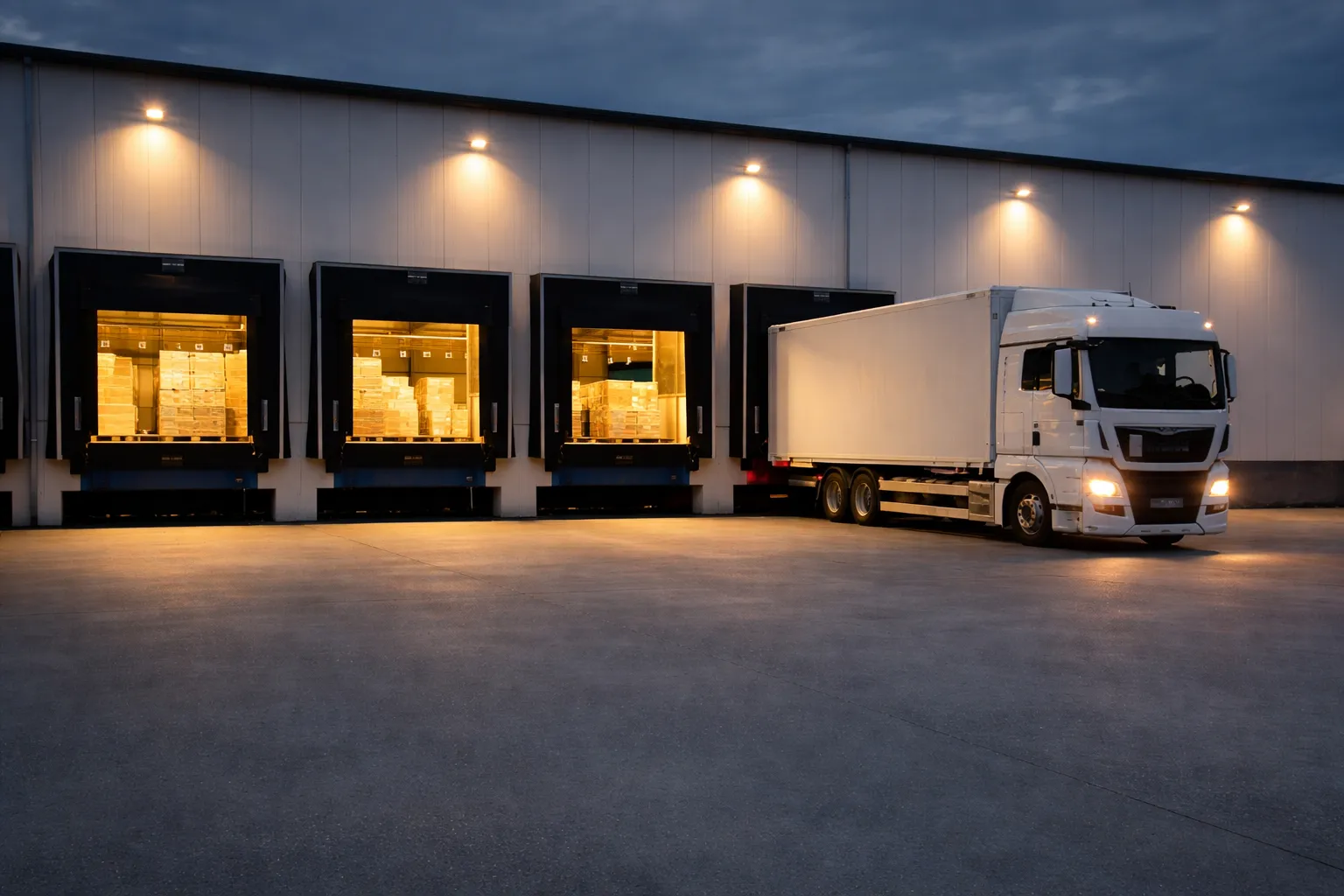
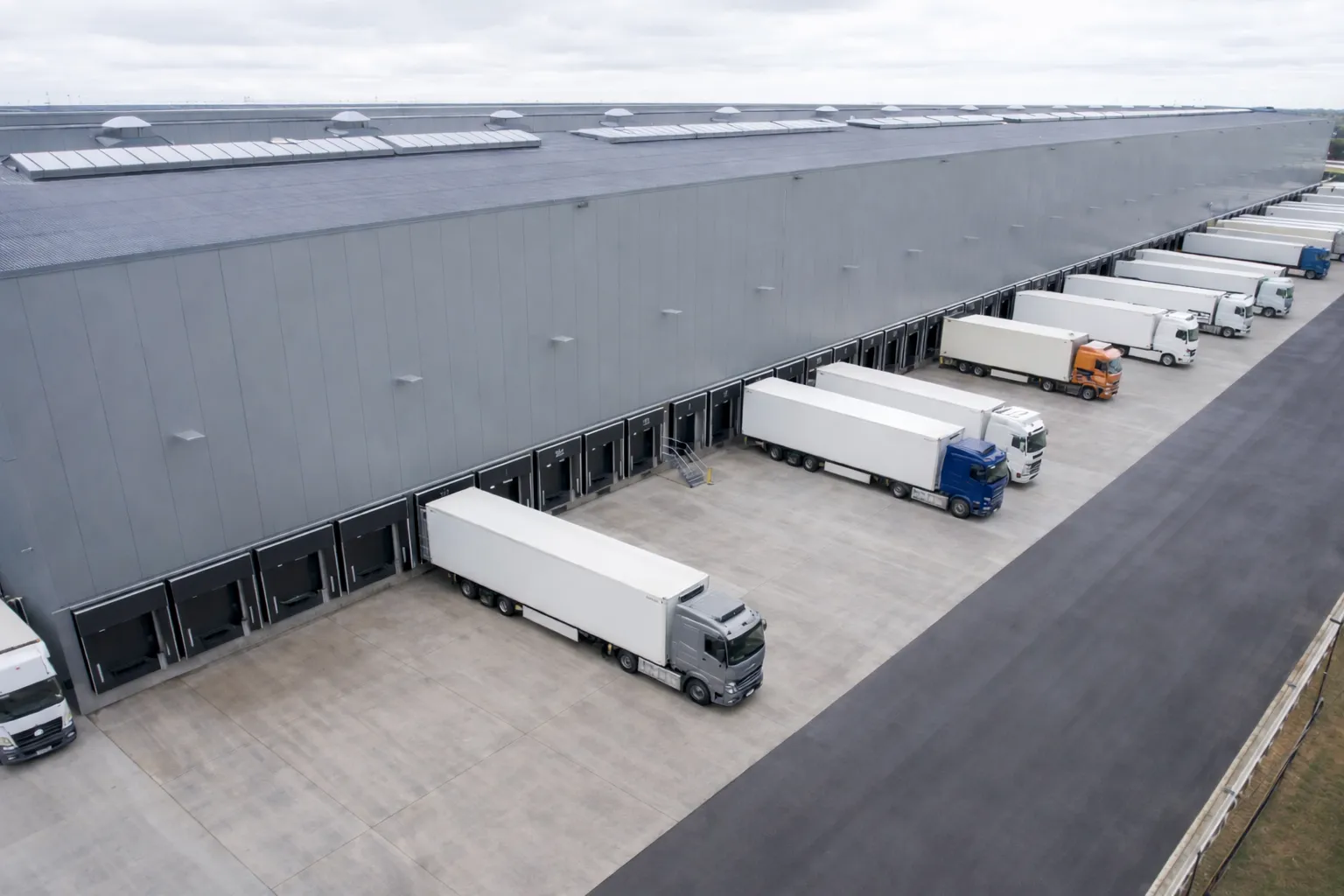
Trucks lined up at loading docks beside a large warehouse
Solutions Industries Groupage and general cargo
Transport structure groupage and general cargo

Transport optimization for local depot traffic

Plan groupage and general cargo economically where operational complexity actually emerges.

In groupage and general cargo, profitability depends not only on the network design, but especially on how pre-haul and post-haul are planned around the depot. Delivery and pickup need to be combined, vehicles assigned intelligently, territories steered flexibly, and depot-handling decisions evaluated consistently.

Why this structure works differently

Pre-haul and post-haul around the depot are highly dynamic and productivity-critical

Delivery and pickup need to be planned together on mixed tours

Territory logic, vehicle logic, and handling decisions intersect every day

Where the real complexity sits

Tour planning in groupage is primarily a depot task

For daily dispatch, the depot-adjacent traffic is usually much more dynamic than the linehaul. That is where changing volumes, different vehicle sizes, service requirements, and day-specific operational realities need to be reconciled.

Mixed delivery and pickup tours around the depot

Changing shipment volumes, vehicle sizes, and daily demand patterns

Pre-haul and post-haul are much more dynamic than the linehaul

Territory logic, service requirements, and operational reality are tightly linked

Direct local moves and depot handling decisions shape productivity and service

Multiple trips per vehicle increase both flexibility and planning complexity

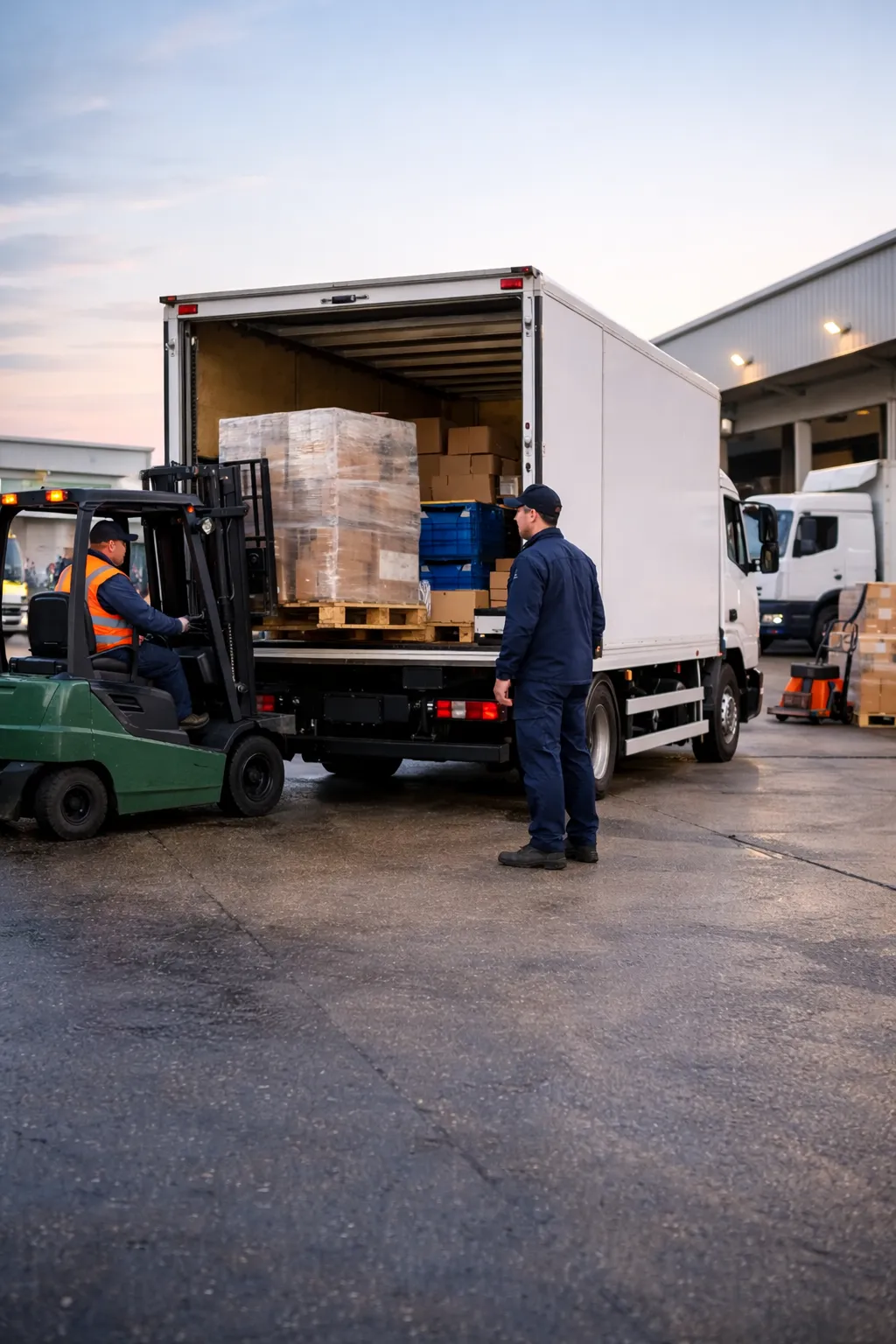
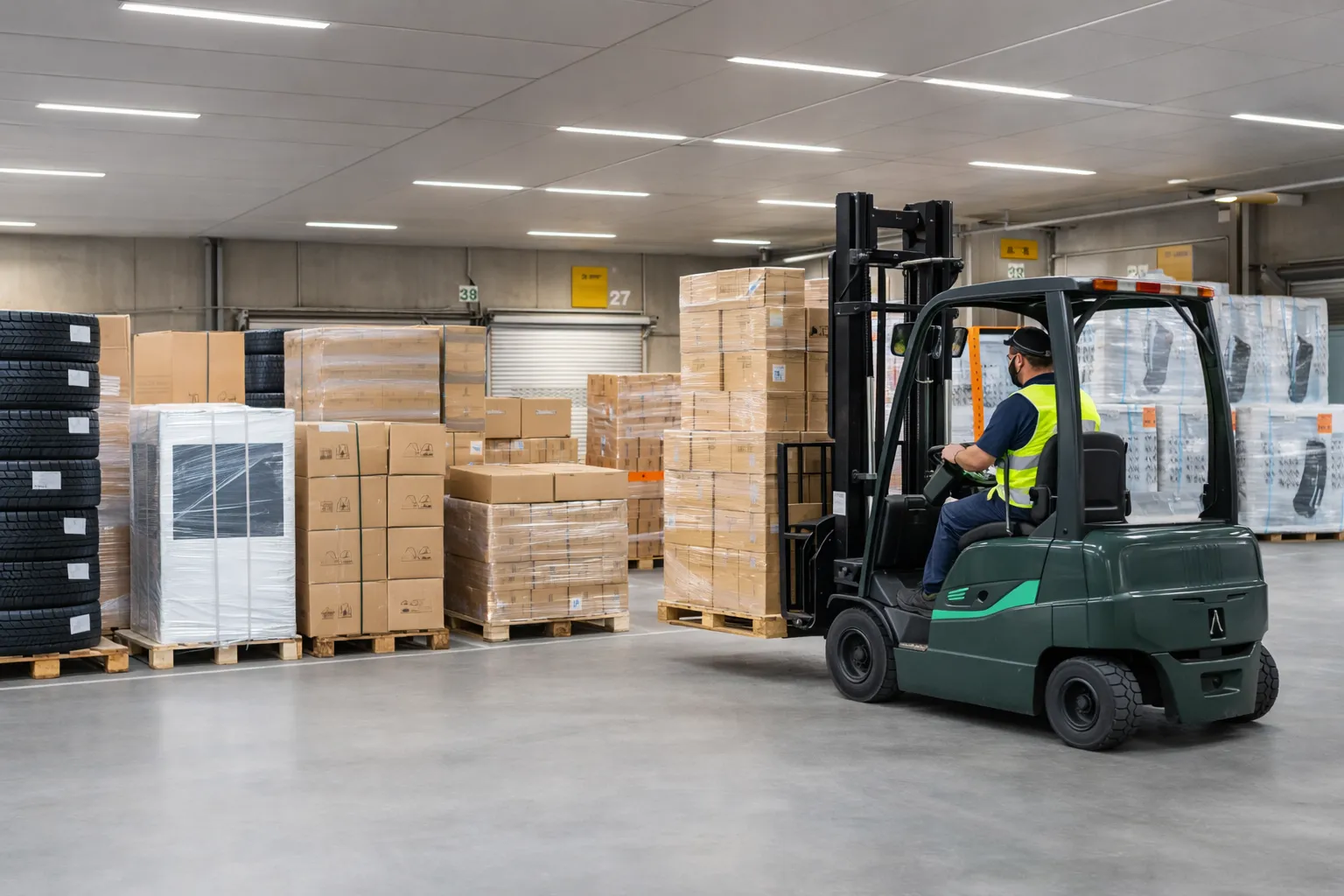
Forklift moving pallets inside a cross-dock hall
Typical planning levers

Where depot complexity becomes manageable

Plan delivery and pickup together

In groupage operations, vehicles often leave the depot with delivery freight and collect pickups during the same day. Capacity, sequence, and timing keep changing, so both tasks need one integrated planning model.

Focus on local traffic around the depot

For daily tour planning, the local pre-haul and post-haul around the depot is usually where the real complexity sits. This is where region, fleet size, service level, and day-specific realities collide.

Evaluate direct local moves versus depot handling

Not every shipment should automatically pass through the depot. Some direct local-to-local movements are more economical, while others should stay inside the depot structure. That decision needs to become systematic instead of purely ad hoc.

Combine territory planning with daily dispatch

Primary and secondary areas, relation logic, and flexible assignment rules determine whether daily dispatch stays robust and efficient under changing shipment patterns.

Territory and relation logic

From primary and secondary territories to robust daily dispatch

Efficient planning in groupage starts before the dispatch day itself. The right territory structure and flexible relation logic create the basis on which local tours can stay stable while adapting to daily volume changes.

Primary territories

Primary territories define the preferred responsibility of a tour or depot partner. They create operational stability, clear ownership, and a robust baseline for daily dispatch.

Secondary territories

Secondary territories create flexibility to rebalance workloads, absorb peaks, and handle changes in shipment volumes without breaking the whole operating structure.

Relation planning

This planning layer connects tactical territory logic with daily tour planning, creating continuity from long-term structure to concrete dispatch decisions.

Operational restrictions

Typical requirements we model in groupage operations

Mixed delivery and pickup tours on the same vehicle

Duty times, tour structure, and sequencing during the day

Evaluation of direct local transport versus depot handling

Primary and secondary territories for flexible relation planning

Territory-oriented steering in light local transport

Demand-oriented dispatch in heavy local transport

Spare vehicles to absorb peaks and disruptions

Multiple trips per vehicle and targeted same-day reuse

Box truck parked at illuminated loading docks at night
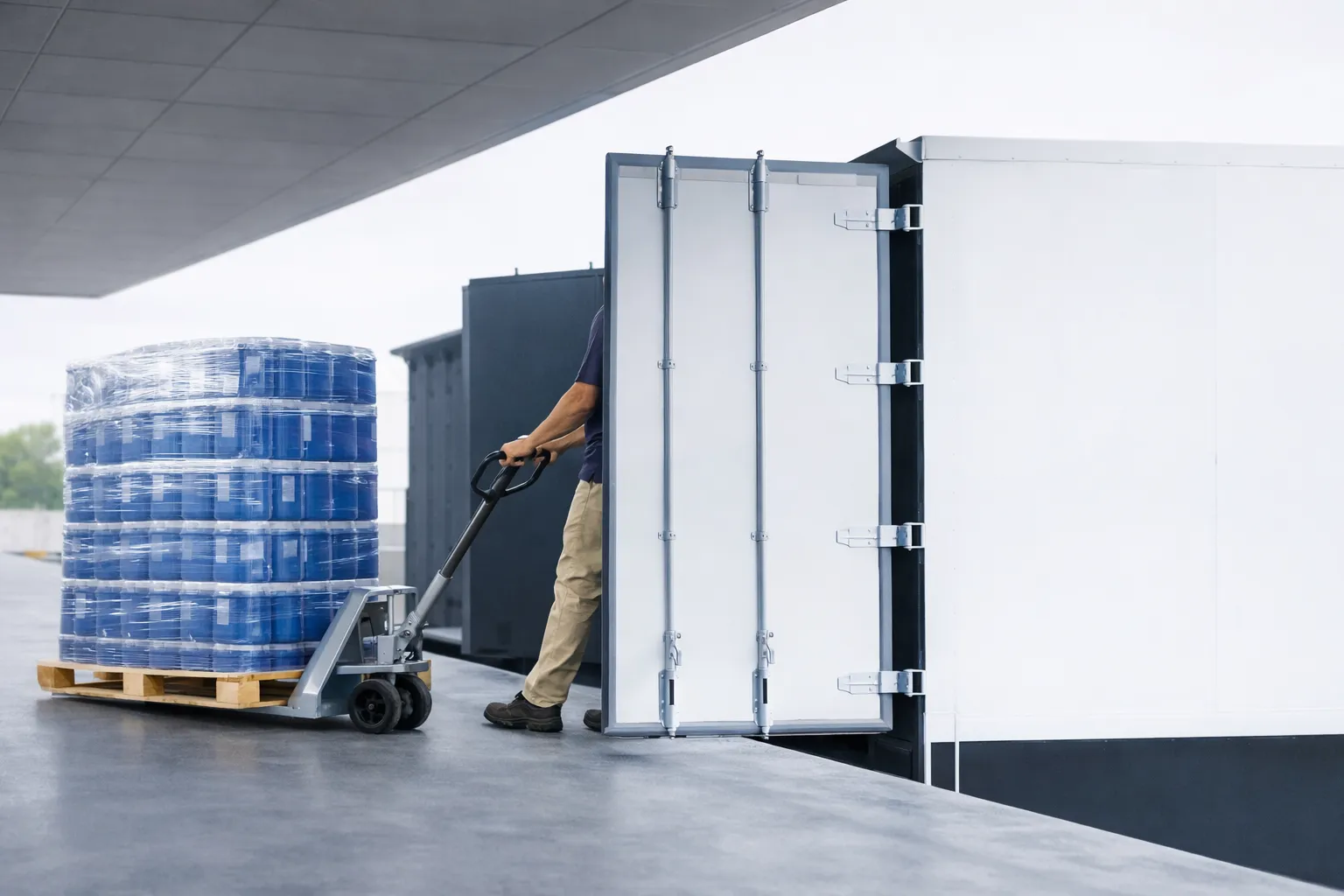
Worker pulling a pallet jack from the back of a box truck
What our software delivers

Transport optimization for everyday complexity in general cargo

Integrated delivery and pickup planning

Our algorithms combine deliveries and pickups in one economic and operationally realistic planning approach.

Optimization for local depot traffic

The software models the vehicles and tours that deliver, pick up, or combine both around a depot, including duty times, route structure, and meaningful same-day combinations.

Direct-local and depot-handling decisions

Direct local moves and depot-based handling are evaluated economically and rule-based instead of being left to isolated dispatch judgment.

Territory and relation planning

Primary territories, secondary territories, and flexible assignment logics can be connected directly with daily tour planning.

One system for light and heavy local traffic

Territory-oriented structures in the light fleet and demand-oriented dispatch in the heavy fleet can be modeled consistently in the same solution.

Your benefits

Better dispatch quality where it matters every day

Benefit 1

Less manual dispatch effort in local depot traffic

Benefit 2

More targeted vehicle deployment in pre-haul and post-haul

Benefit 3

More transparency across mixed delivery and pickup tours

Benefit 4

Stronger connection between territory planning and daily dispatch

Benefit 5

More economical decisions between direct local moves and depot handling

Benefit 6

More productive use of spare vehicles and multi-trips